How to Make Disinfecting Wipes at Home (Cheap and Easy)
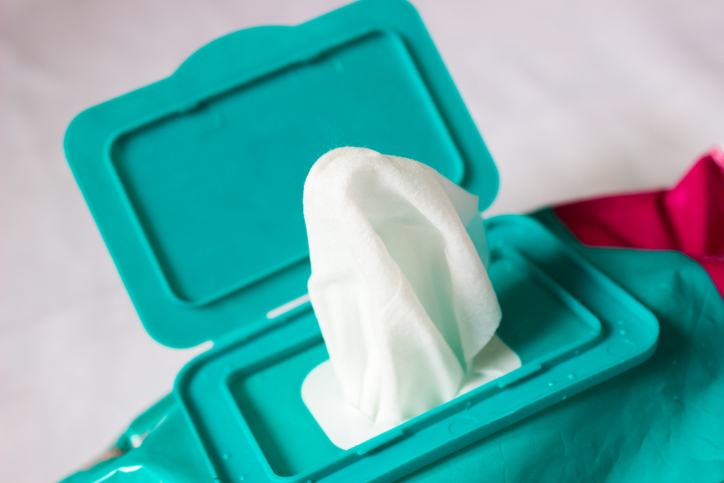
Store-bought disinfecting wipes are convenient. Pop the lid, pull one out, wipe, done. They’re also spendy, and you go through them faster than anyone in your house will admit.
They’re hard on the planet, too. They come in plastic canisters and pouches that end up in landfills or the ocean unless they’re recycled. And most wipes are made of polyester or polypropylene, which aren’t biodegradable, so they’ll be around longer than most of us.
Good news: you can make disinfecting wipes at home with a bottle of rubbing alcohol, a roll of paper towels and a container you probably already own. Use cloth instead of paper and they’re even better for your budget and the environment.
How do you make disinfecting wipes at home? Fold or roll about 40 heavy-duty paper towels (or cotton or microfiber cloths) into a container with a tight lid. Pour about 3 cups of 70% isopropyl (rubbing) alcohol over them until they’re soaked, then close the lid. Clean the surface first, then wipe until it’s visibly wet and let it air-dry.
What You’ll Need
- A container with a tight-fitting lid (not metal)
- About 40 heavy-duty paper towels, or a stack of cotton, bamboo or microfiber cloths
- About 3 cups of 70% isopropyl alcohol
- Essential oil for scent (optional)
Step 1: Choose a Container
Use a plastic or glass container. Skip metal cans and tins; they can rust, and rusty wipes more or less defeat the purpose.
Good choices:
- An empty store-bought wipes canister (the easiest option, since it’s already
- designed for pulling one at a time)
- A quart- or gallon-size jar with a plastic lid
- A glass mason jar
- A plastic cereal storage container
- Any other plastic food container
Make sure the lid fits tightly. Alcohol evaporates fast, and a loose lid will leave you with a jar of very clean, very dry paper towels.
Step 2: Choose Your Towels
The towels need to hold up to some serious scrubbing while wet.
Disposable options:
- Heavy-duty paper towels
- Paper guest hand towels
- Paper napkins, full-size or cut into smaller pieces
Thin, bargain paper towels shred the minute they get wet. This is the place to splurge on the good stuff.
Reusable options:
- 100% cotton cloths (old T-shirts and flour-sack towels work great)
- Bamboo cloths
- Microfiber washcloths
Toss used reusable wipes in a bag or bin and machine-wash them in hot water after every use. Don’t put a used wipe back in the jar. That just shares the germs with the clean ones.
Step 3: Fold or Roll the Towels
- Pop-up canister: Fold each towel so it overlaps the next one, so pulling one up brings the next one with it.
- Round container: Cut a roll of paper towels in half with a sharp serrated knife, pull out the cardboard core, and drop one half in. You’ll pull the wipes from the center, just like the store-bought kind.
- Square or rectangular container: Fold the towels into quarters and stack them.
Step 4: Get the Alcohol Strength Right
This is the step most homemade wipe recipes get wrong. 70% isopropyl alcohol is the one you want. Stronger isn’t better here. Alcohol needs some water to break down germs, and 91% or 99% alcohol evaporates before it can finish the job.
If all you have is the strong stuff, dilute it:
What you have
70% isopropyl alcohol
91% isopropyl alcohol
99% isopropyl alcohol
How to mix it
Use straight from the bottle
2 1/4 cups alcohol + 3/4 cup water
2 cups alcohol + 1 cup water
Makes about
3 cups of 70%
3 cups of about 68%
3 cups of about 66%
Optional: Add 10 to 20 drops of essential oil for scent. Lemon, orange, lavender and peppermint are popular. The oils make the wipes smell nice, but at this amount they don’t add any extra germ-killing power. The alcohol does all the work.
If you have pets, skip the oils or choose carefully. Tea tree, eucalyptus, cinnamon, clove, peppermint, citrus and pine oils can be toxic to cats and dogs.
Step 5: Soak the Wipes
Pour about half the alcohol over the towels. Wait a minute for it to soak in, then pour in the rest. Three cups will soak about 40 folded paper towels.
If the towels still look dry in spots, add more alcohol. You should see a little liquid at the bottom of the container. Close the lid tightly. Your disinfecting wipes are ready for action.
How to Use Homemade Disinfecting Wipes
- Clean first. Disinfectants don’t work well on dirty surfaces, so wipe off crumbs, grease and sticky spots with soapy water or a first wipe.
- Wipe until the surface is visibly wet. One wipe per area. Don’t clean the whole kitchen with a single sad, dried-out paper towel.
- Let it air-dry. Don’t wipe it off. The contact time is when the disinfecting actually happens.
Where to Use Them (and Where Not To)
|
Use them on Doorknobs and light switches Faucets and sink handles Countertops (sealed stone, laminate) Remote controls and keyboard Phones and hard-surfaced electronics Refrigerator and microwave handles Toilet handles |
Don't use them on Finished or painted wood (alcohol can dissolve the finish) Leather Acrylic or plexiglass (it can cloud or crack) Some soft plastics and rubber Anything near an open flame or a hot stove |
For wood surfaces, see our wood furniture cleaning tips.
What Alcohol Wipes Won’t Kill
Alcohol wipes handle most everyday bacteria and viruses, including flu and cold viruses. But they aren’t reliable against norovirus, the stomach bug that sweeps through a household in about 48 hours.
If someone in your house has a stomach bug, use a bleach solution instead. Here’s exactly how: Surface Disinfecting After Illness.
Safety Rules for Homemade Wipes
- Never mix alcohol with bleach. Together they make toxic chloroform fumes. Don’t add bleach to the jar, and don’t use these wipes on a surface you just bleached.
- Rubbing alcohol is flammable. Store the jar away from the stove, candles, fireplaces and other heat sources. Don’t use the wipes near a flame.
- Label the container. Write “Disinfecting Wipes: Rubbing Alcohol” on it in permanent marker.
- Keep them away from kids. Rubbing alcohol is poisonous if swallowed. Store the jar up high, the same place you’d keep any other cleaning product.
- Open a window if you’re using a lot of them in a small room.
- Not for skin. These are for surfaces, not for hands or babies’ bottoms.
Why Not Make Bleach Wipes?
You can, but they don’t keep. A diluted bleach solution loses strength within about a day, so you’d have to make a fresh batch every day for them to work. Alcohol wipes stay effective as long as they stay wet.
How Long Do Homemade Wipes Last?
As long as they’re wet, they work. If the top layer starts drying out, pour in a little more 70% alcohol and close the lid tighter. Make small batches if you don’t go through them quickly.
Homemade Disinfecting Wipes FAQ
Can I use 91% or 99% rubbing alcohol to make wipes?
Yes, but dilute it first. Mix 2 1/4 cups of 91% alcohol with 3/4 cup of water, or 2 cups of 99% alcohol with 1 cup of water. Full-strength alcohol evaporates too fast to disinfect well.
Do homemade disinfecting wipes kill germs?
Yes. Wipes made with 60% to 90% alcohol kill most bacteria and many viruses, including flu, on hard surfaces. Clean the surface first, then wipe it until it’s wet and let it air-dry. They aren’t reliable against norovirus; use bleach for that.
Can I use vinegar instead of alcohol?
Vinegar is a good cleaner, but it isn’t a registered disinfectant and doesn’t kill as many germs as alcohol or bleach. Use it for everyday cleaning and alcohol for disinfecting.
Are homemade disinfecting wipes safe for phones?
Most phone makers say 70% isopropyl alcohol wipes are fine on the hard outer surfaces. Squeeze out excess liquid first, avoid the ports and openings, and check your phone maker’s guidance. Our phone cleaning guide has the details.
Can I add essential oils?
Yes, for scent. Ten to 20 drops won’t make the wipes any stronger, and several oils are toxic to cats and dogs, so skip them if you have pets.
Can I reuse cloth disinfecting wipes?
Yes. Put used cloths in a bin, wash them in hot water after every use, and dry them completely before soaking them again. Never put a used wipe back in the container.
Keep Going
Put your homemade wipes to work with these related guides:
- Weekly House Cleaning Checklist: Where a quick wipe-down fits in your weekly routine.
- Easy Kitchen Cleaning Tips: Fast ways to keep counters and handles clean.
- Easy Bathroom Cleaning Tips: Speed-clean the room that needs disinfecting most.
- How to Clean a Computer: Keyboards are dirtier than you want to know.
- Cleaning Small Kitchen Appliances: Toasters, coffee makers, blenders and more.
- Disinfecting Your Washer and Dryer: What to do after a household illness.
- Homemade Laundry Stain Removers: More DIY recipes that save money.
- Less-Toxic Flea Removal Tips: Pet-safe ways to fight fleas without harsh chemicals.
Too Much Stuff? Not Enough Space? Clear the clutter, let go of the guilt, and reclaim your home, one room at a time. Discover Room by Room by Tara Aronson.
As an Amazon Associate, I earn from qualifying purchases.
- Clean Home
- Clean
- Make Disinfecting Wipes At Home
Free Printable
Notes on Keeping House
Sign up and get my 15-Minute Daily Reset Checklist. One timer, five zones, and a house that stays under control.
Send My ChecklistNo spam, ever. Just smart, funny tips for keeping house from Tara Aronson.