Daylight Saving Checklist: 12 Fall Back Home Tasks
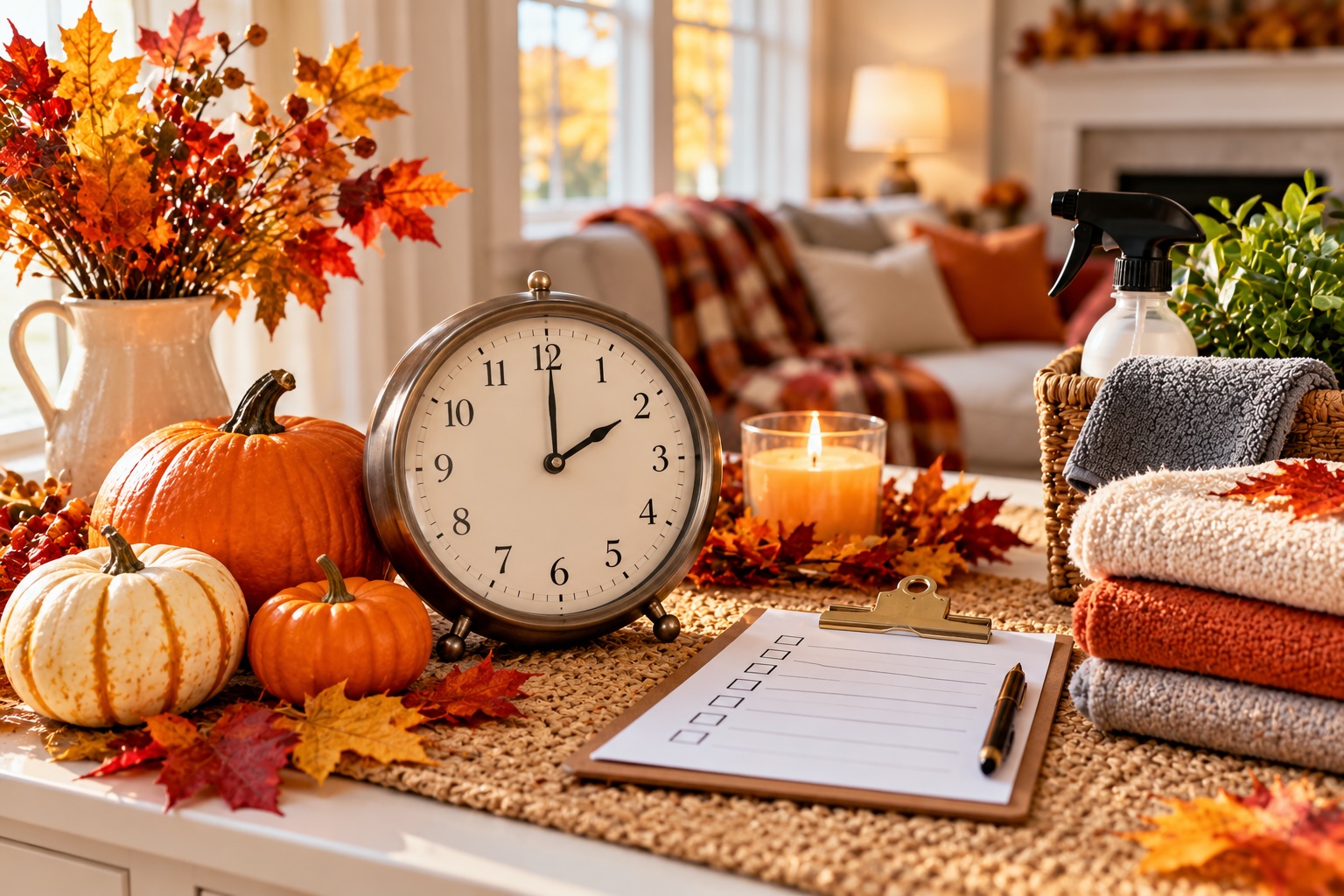
Once a year, the universe hands you a free hour. Daylight saving time ends at 2 a.m. on Sunday, November 1, the clocks fall back, and you get 60 bonus minutes you didn't have to earn.
You could sleep through it. I fully support that. But I'm going to suggest something a little less glamorous: spend that hour on the twice-a-year home jobs that nobody remembers until the smoke alarm starts chirping at 3 a.m. (It always chirps at 3 a.m. It's in the contract.)
The clock change makes a perfect built-in reminder. Spring forward, fall back, check the stuff that keeps your house safe and running. Here's the whole list. Most of it takes five minutes or less.
1. Reset Every Clock in the House (Yes, Every Single One)
Your phone handles itself. Everything else apparently thinks it's 1987. Do a lap and reset:
- The oven and microwave
- The coffee maker (unless you want Monday's coffee an hour early, which, honestly, might not be the worst thing)
- The car dashboard
- Wall clocks and bedside alarm clocks
- Timers on outdoor lights, sprinklers and holiday decorations
- Your thermostat schedule, so the heat doesn't kick on an hour off
2. Test Your Smoke Alarms
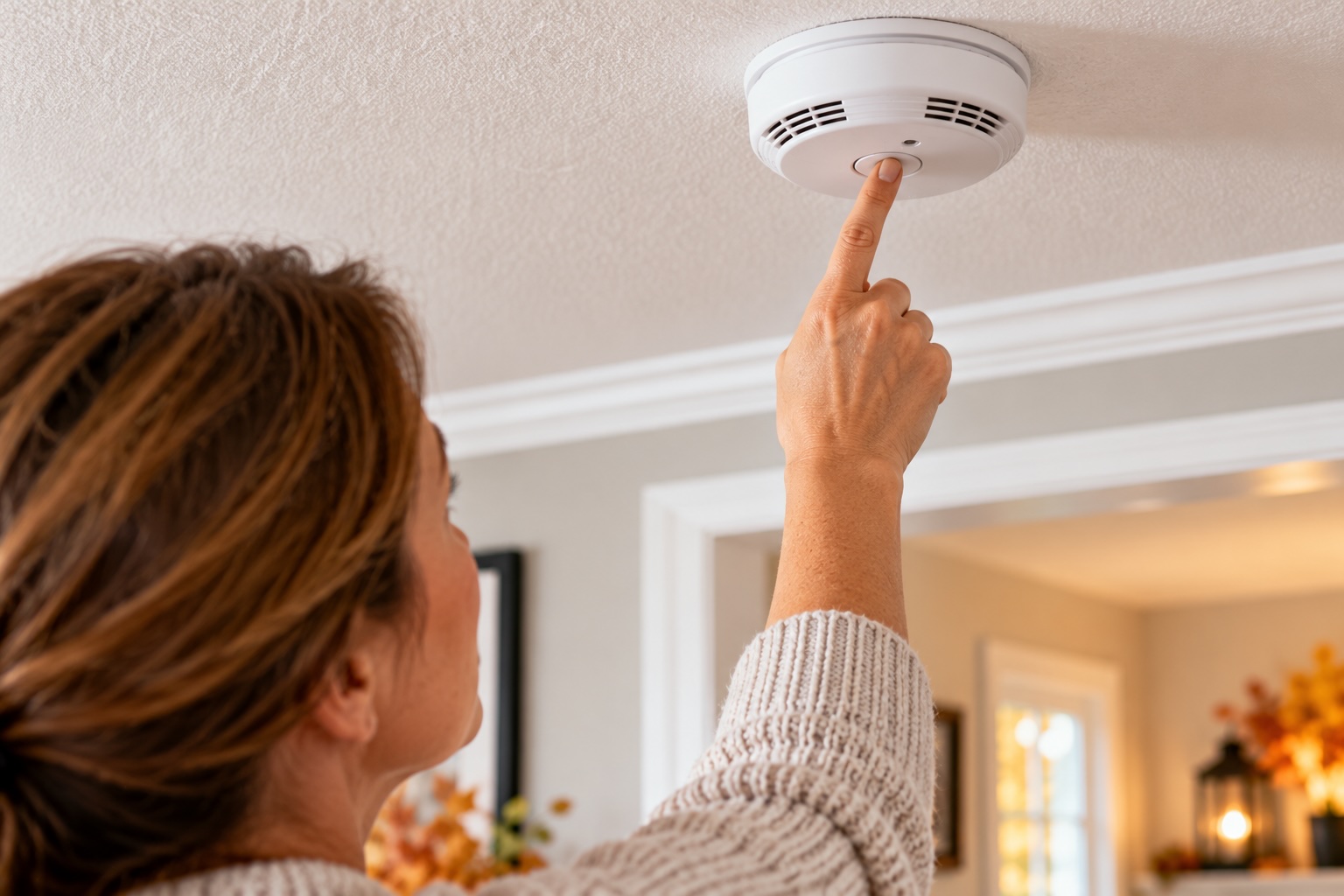
This is the big one, and the reason this checklist exists. Press the test button on every smoke alarm until it beeps. If it doesn't, it's not working.
- Replace the batteries if your alarms use replaceable ones. Do it now, even if they still work. A fresh 9-volt costs a lot less than a 3 a.m. chirp hunt.
- Check the date on the back. Smoke alarms wear out. The National Fire Protection Association recommends replacing them every 10 years. If yours is older than your car, it's time.
- Vacuum the vents with the brush attachment. Dust and cobwebs inside can cause false alarms, or worse, keep the sensor from working when it counts.
3. Check Your Carbon Monoxide Detectors
CO detectors matter most this time of year, when the furnace, fireplace and gas appliances start working overtime. Test each one, replace the batteries, and check the expiration date. Most CO alarms last somewhere between 5 and 10 years, depending on the model. When they reach the end, many will start beeping to tell you.
No CO detector? Get one for each floor of your home and outside the sleeping areas. This is not optional.
4. Change the Furnace Filter
A clogged filter makes your furnace work harder, raises your heating bill and blows dust all over the house you just cleaned. Slide the old one out and look at it. If it's gray and fuzzy, replace it. (If it looks like a small sheep, replace it and apologize to your furnace.)
Most filters need replacing every one to three months during heating season, more often if you have pets. Write the date on the edge of the new one with a marker so you'll know.
5. Flip Your Ceiling Fans
Here's a free way to feel warmer. Most ceiling fans have a little switch on the motor housing that changes the direction the blades spin.
- Winter: Run the fan clockwise on low (looking up at it). That gently pushes warm air that's collected near the ceiling back down into the room.
- Summer: Switch it back to counterclockwise for a cooling breeze.
While you're up there, wipe the blades. Slide an old pillowcase over each blade and pull it back. The dust stays inside the pillowcase instead of raining onto your bed.
6. Clean the Dryer Vent
Dryer lint is a serious fire hazard, and fall is when we start drying more heavy sweaters, blankets and flannel sheets. Clean the lint screen after every load, of course. But today, also pull the dryer out, disconnect the vent hose, and vacuum out the lint inside it. Then check the outside vent flap and clear anything blocking it.
If your clothes are taking two cycles to dry, that's a sign the vent is clogged.
7. Check Your Fire Extinguisher
Find it. (That's step one, and you'd be surprised how many people fail it.) Check that the pressure gauge needle is in the green zone, the pin and seal are intact, and there's no rust or damage. Make sure everyone in the house knows where it is. The kitchen is the best spot, near an exit and not right next to the stove.
8. Restock Your Emergency Kit and Flashlights
Winter storms knock out power. Test every flashlight, replace dead batteries, and make sure you have a stash of fresh ones. While you're at it, check your emergency kit: water, nonperishable food, a first-aid kit, a phone charger or power bank, and a battery or crank radio.
9. Brighten Up for the Dark Evenings
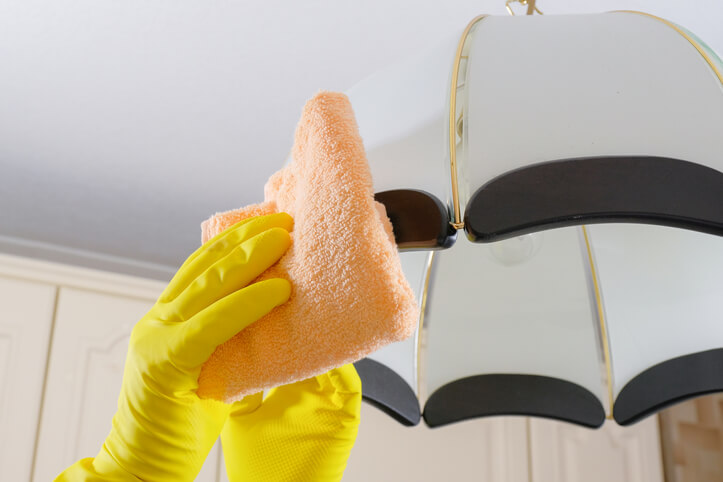
fter the clocks change, it gets dark around dinnertime, and suddenly you notice every burned-out bulb in the house.
- Replace dead bulbs inside and out, especially porch, entryway and stair lights.
- Dust lampshades with a lint roller.
- Clean light fixtures. Take the glass covers down, empty out the dead bugs (there are always dead bugs), and wash the covers in warm, soapy water.
- Test motion-sensor lights and set their timers for the new sunset time.
10. Seal Out the Drafts
On a windy day, run your hand around the edges of windows and exterior doors. Feel a breeze? That's your heating money leaving the house. Replace worn weatherstripping, add a draft stopper under drafty doors, and caulk small gaps around window frames.
11. Get the Outdoors Ready for Cold Weather
- Disconnect garden hoses before the first freeze, drain them and store them. A hose left attached can freeze and crack the pipe inside your wall.
- Clean the gutters once most of the leaves have fallen, so melting snow and rain can drain away from your foundation.
- Bring in or cover patio cushions and outdoor furniture.
12. Schedule the Chimney and Furnace Checkups
If you have a fireplace or wood stove, have the chimney inspected once a year, before you start lighting fires. If your furnace hasn't had a tune-up in a while, call now, before the first cold snap when every HVAC tech in town is booked solid.
Bonus: Do a Quick Medicine Cabinet and Pantry Sweep
As long as you're checking dates on smoke alarms, check them on everything else. Toss expired medications (many pharmacies have take-back bins), old spices that smell like nothing, and anything in the pantry that's been there since the last time the clocks changed. Or the time before that.
Make It a Twice-a-Year Habit
The beauty of this checklist is that the calendar reminds you for free. Spring forward in March, fall back in November, do the list.
Twice a year, no thinking required. Print this page, stick it on the inside of a cabinet door, and next time the clocks change, you'll be done before your coffee's cold.
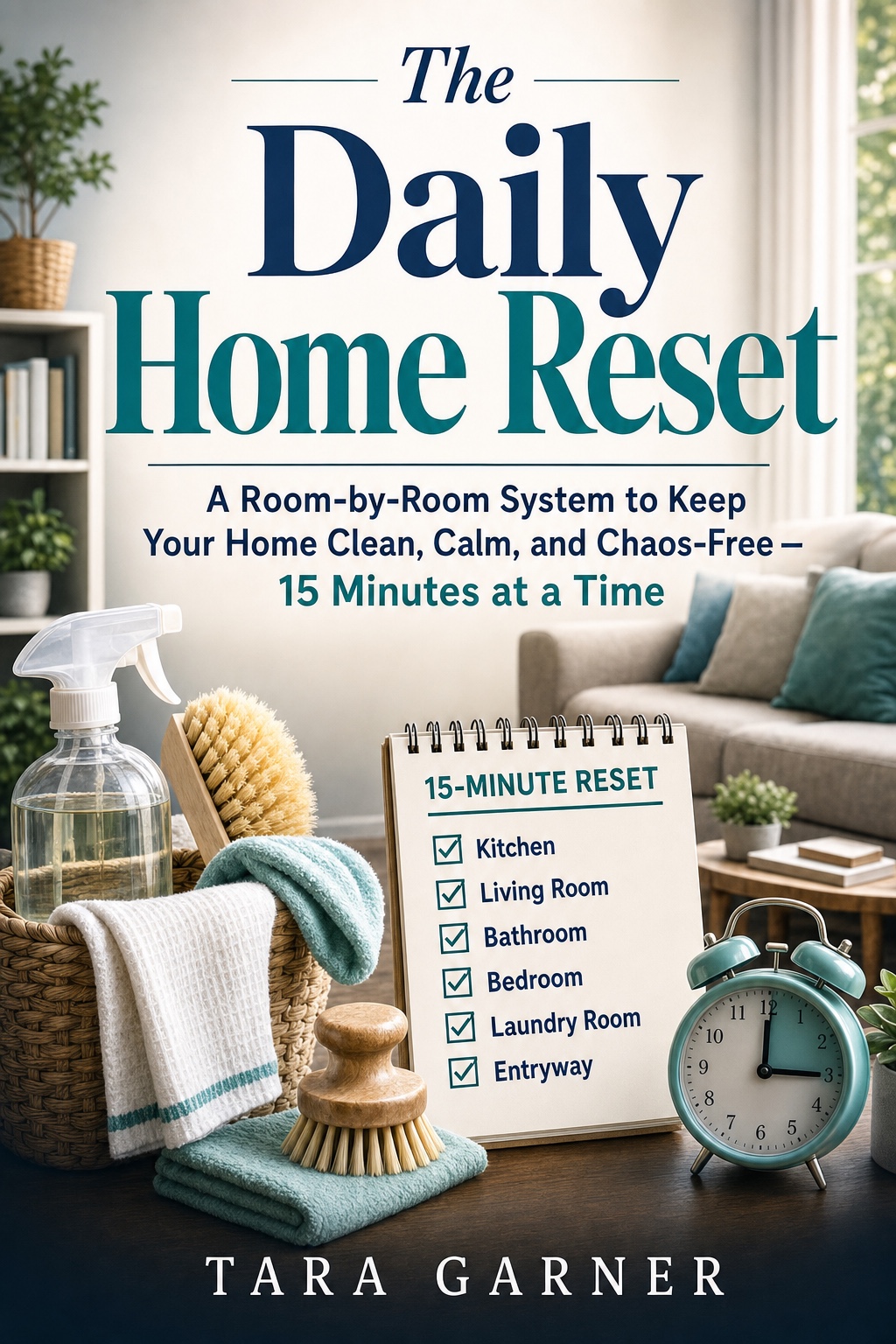
If you like the idea of the calendar doing your remembering for you, you'll love The Daily Home Reset.
It's my room-by-room system for keeping your house clean, calm and chaos-free in just 15 minutes a day.
It also includes a month-by-month seasonal deep cleaning schedule, so the big jobs never sneak up on you again.
Keep Going
Now that the clocks are set and the smoke alarms are happy, take care of the rest of your house with these related guides:
- Preventative Home Maintenance Checklist: The yearly, seasonal and monthly tasks that keep small problems from turning into expensive ones.
- Home Maintenance: Everything you need to keep your house in good working order, inside and out.
- The Morning-After Halloween Cleanup: How to get rid of candle wax, fake cobwebs, pumpkin guts and candy in the carpet. (link once live, Oct 31)
- Your 6-Week Holiday House Countdown: What to clean when, so December isn't a disaster. (link once live, Nov 3)
- Guest Room Boot Camp: Make your spare room (or pull-out couch) feel like a hotel. (link once live, Nov 10)
- The Pre-Thanksgiving Fridge Purge: Make room for the turkey and toss the mystery jars. (link once live, Nov 13)
- Clean Your Oven Now, Not Thanksgiving Eve: A no-drama guide to a clean oven before the big day. (link once live, Nov 17)
- The CLEAN-zine: My free newsletter, with seasonal cleaning tips and checklists delivered to your inbox.