10 Most Wanted Good Garden Bugs (and How to Attract Them)
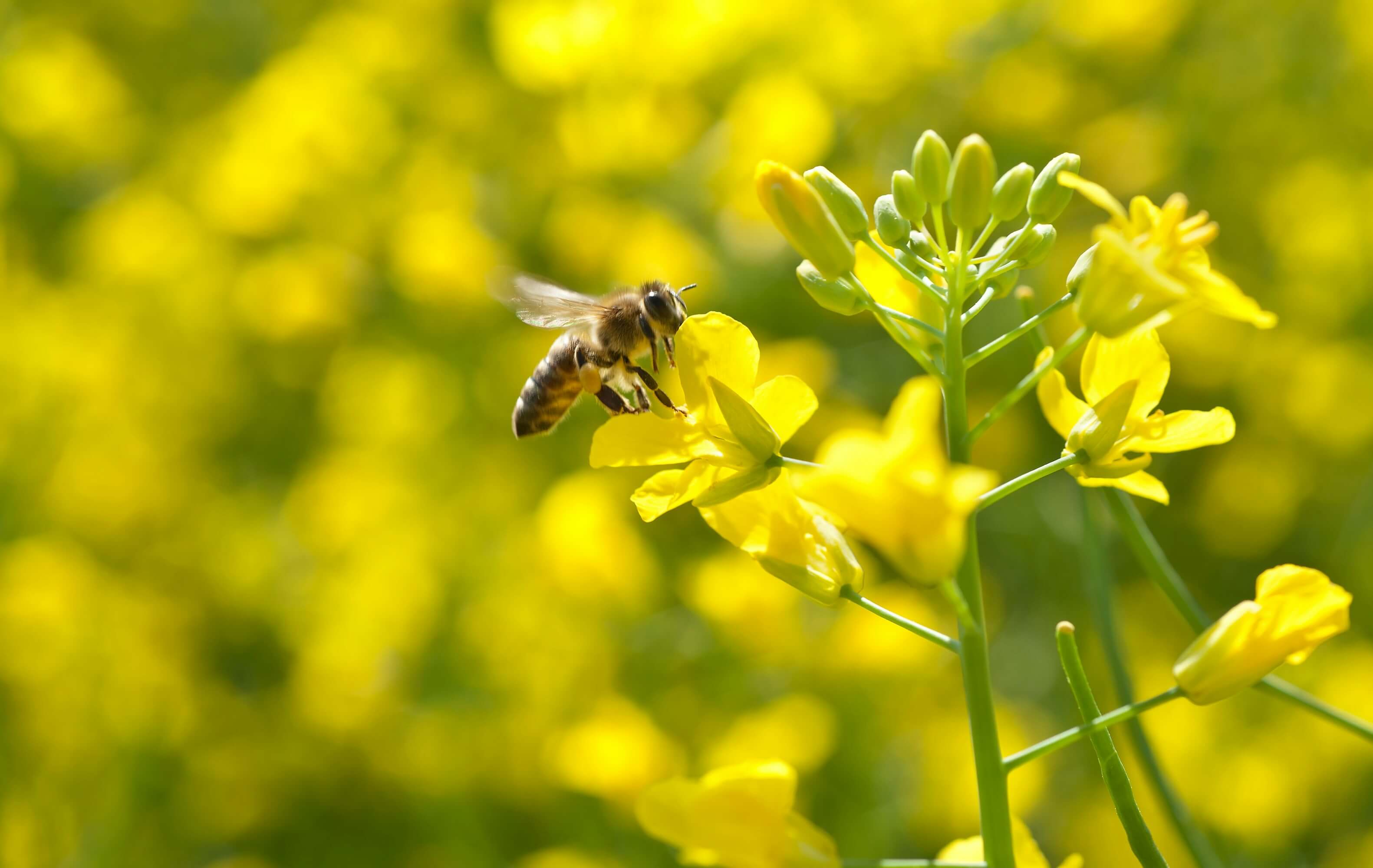
Not every bug in the garden is plotting against your tomatoes.
Plenty of them are on your side. They pollinate your flowers and vegetables, eat the pests that are eating your plants, and turn dead leaves into rich soil. They're free garden help that never asks for a day off.
In other words, before you reach for the bug spray, check the suspect's résumé. Here are the ten you want on the team.
1. Ladybugs
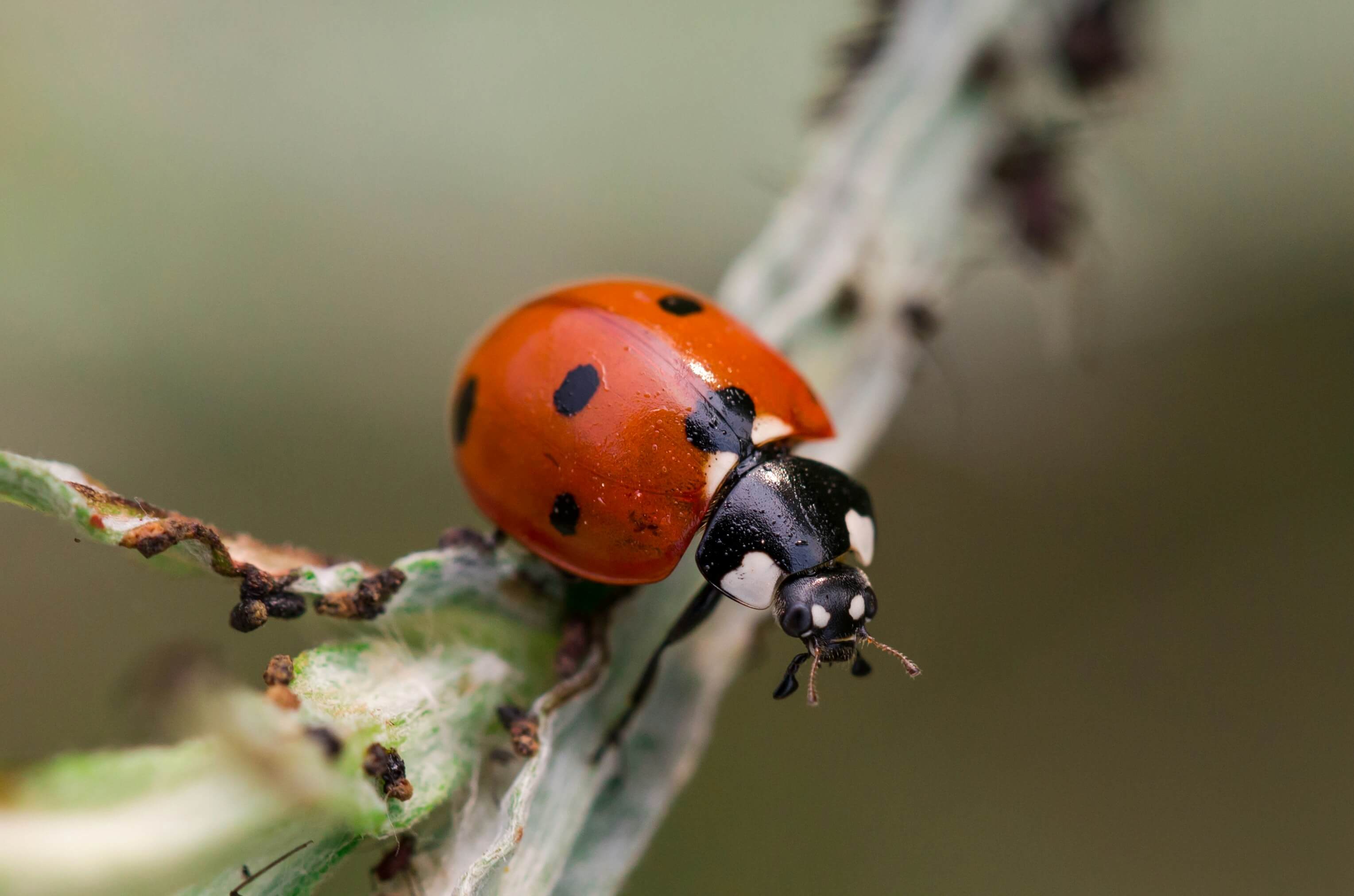
Ladybugs may be cute, but they're also predators. A single ladybug can eat about 50 aphids a day, along with mites, mealybugs and other soft-bodied pests on your roses and vegetables.
Their babies are even hungrier, and they look nothing like Mom. Ladybug larvae look like tiny black-and-orange alligators. Learn to recognize them so you don't squash them by mistake.
How to attract them: Plant dill, fennel, cilantro, yarrow and sweet alyssum. Leave a few aphids alone, too. No aphids, no ladybugs.
Should you buy ladybugs? Usually not. Most store-bought ladybugs are collected in the wild, and many fly away the minute you open the bag. If you try it anyway, water the garden first and release them at dusk, when they're less likely to take off.
2. Green Lacewings
The adults are delicate, pale green insects with lacy, see-through wings. Their larvae are the ones that do the real work. They're nicknamed "aphid lions," and each one can eat up to 200 aphids a week, plus mites, whiteflies, thrips and insect eggs.
How to attract them: Plant dill, coriander, yarrow, sweet alyssum and cosmos, and skip the broad-spectrum pesticides.
3. Bumble Bees
Bumble bees are big, fuzzy and essential. They pollinate flowers, fruit trees and vegetables. They're especially good at "buzz pollination," shaking pollen loose from tomatoes, peppers, eggplant and blueberries. Fair trade: you feed them nectar, and they help you grow dinner.
They're gentle and rarely sting unless someone steps on them or bothers their nest.
How to attract them: Plant flowers that bloom from spring through fall, like lavender, bee balm, salvia, coneflower, sunflowers and clover. Leave a patch of bare, undisturbed ground. Many bumble bees nest underground.
4. Braconid Wasps
Don't panic. These are tiny wasps, about the size of a grain of rice, and they don't sting people. They lay their eggs inside caterpillars like tomato hornworms, and the larvae eat the caterpillar from the inside out. Not pretty, but very effective.
If you find a hornworm covered in little white cocoons that look like grains of rice, leave it alone. It's done eating your tomatoes, and it's about to hatch a whole new batch of hornworm hunters. The cavalry has already arrived.
How to attract them: Plant small-flowered plants, like sweet alyssum, dill, parsley and Queen Anne's lace, and let a few of them bloom.
5. Praying Mantises
Praying mantises are fierce, fascinating hunters, and kids love them. But they're not picky eaters. A mantis will eat a caterpillar, a beetle, a bee or a butterfly, and sometimes another mantis. It isn't taking requests.
Should you buy mantis egg cases? They're fun to hatch, but they aren't much of a pest-control plan. Many of the egg cases sold are a non-native species, and the babies scatter or eat each other. Enjoy the mantises that show up on their own.
6. Predatory Wasps
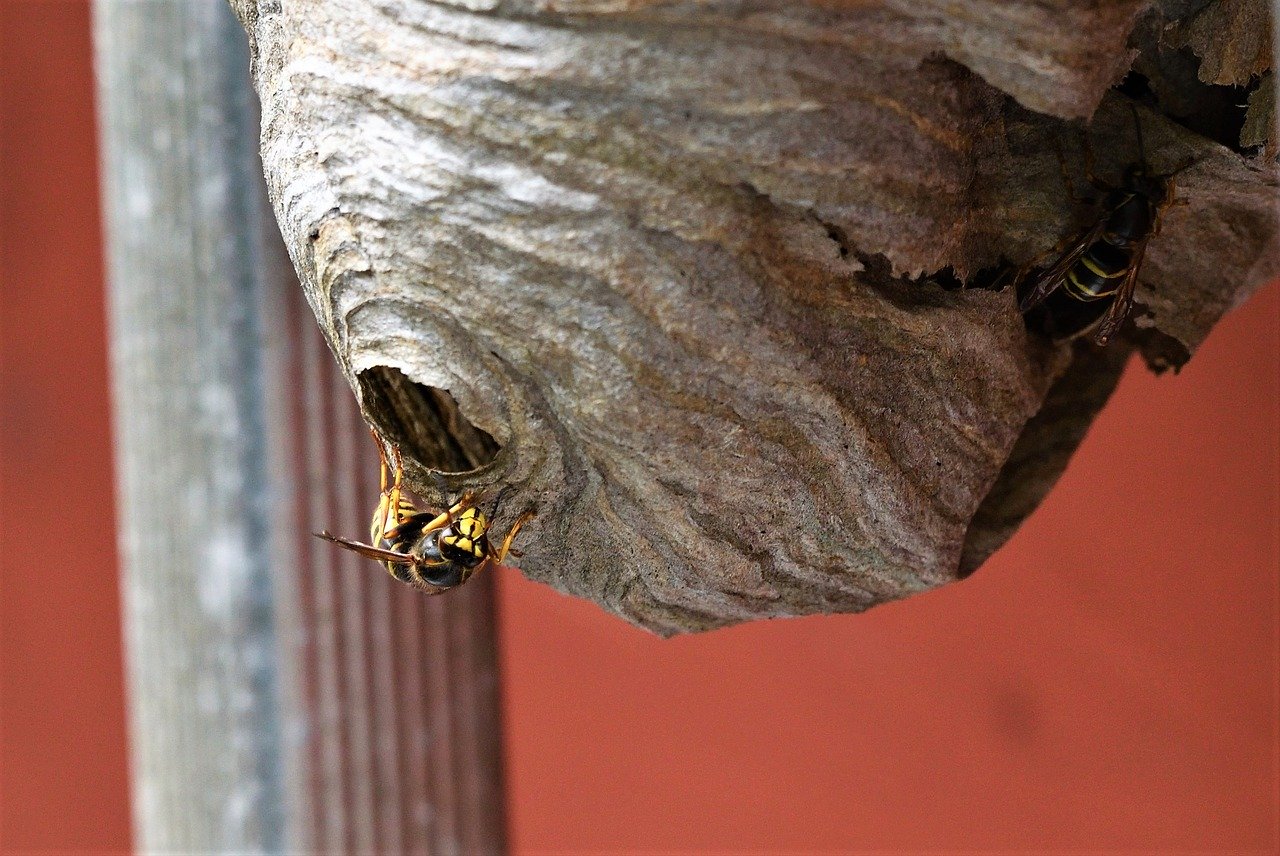
Paper wasps and other predatory wasps hunt caterpillars and other insects to feed their young, and some of them pollinate too. They're among the hardest-working pest controllers in the garden.
That said, a wasp nest by the front door, the swing set or the patio table is a different story. If a nest is in a high-traffic spot, or anyone in your family is allergic to stings, call a pest control pro to remove it. Don't try to knock it down yourself. Teach kids to "watch, don't swat." Swatting is what gets people stung.
If someone is stung: scrape the stinger out with a fingernail or credit card, if there is one, wash the area and apply ice. Call 911 if they have swelling of the face or throat, trouble breathing or dizziness.
7. Butterflies
Butterflies pollinate as they flit from flower to flower for nectar. Their caterpillars eat leaves, but most are picky about which ones. Monarch caterpillars eat only milkweed. Swallowtail caterpillars love parsley, dill and fennel.
The solution: plant extra. Grow a little parsley for you and a little for the swallowtails. And before you pick off a caterpillar, find out what it turns into.
How to attract them: Plant milkweed, zinnias, coneflower, lantana and butterfly-friendly herbs, in a sunny spot.
8. Dung Beetles
Dung beetles do a job nobody else wants. They bury and break down animal manure, returning nutrients to the soil and keeping flies down. You'll see them more often in yards near pastures or anywhere with livestock. Somebody has to.
9. Earthworms

Technically not insects, but every gardener's best friend. Earthworms tunnel through the soil, letting in air and water, and they turn dead leaves and plant scraps into nutrient-rich castings, which is basically free fertilizer. Lots of earthworms usually means healthy soil.
How to attract them: Add compost, keep a layer of mulch on the soil, keep the soil moist and dig as little as possible.
10. Pillbugs
The little gray roly-polies kids love to collect aren't insects either. They're land-dwelling crustaceans, related to shrimp. They eat decaying plant material and help recycle it into soil.
In very damp gardens, big crowds of pillbugs will nibble tender seedlings near the soil. If that happens, clear away wet leaves and mulch from around the seedlings until the plants are bigger.
Why Beneficial Insects Matter
A healthy garden is a balance of three groups:
- Pollinators, like bees and butterflies, help plants make fruit and seeds.
- Predators, like ladybugs, lacewings, wasps and spiders, keep pests in check.
- Decomposers, like earthworms, pillbugs and dung beetles, turn waste into soil.
They feed the birds, too. Spray everything, and you wipe out the helpers along with the pests. The pests usually come back first.
How to Attract Beneficial Insects to Your Garden
- Plant a mix of flowers that bloom from spring through fall, in different shapes and sizes. Good choices are dill, fennel, yarrow, sweet alyssum, cosmos, lavender, coneflower and sunflowers.
- Let some herbs flower. Parsley, cilantro and dill flowers are good-bug magnets.
- Skip broad-spectrum pesticides. If you have to treat a problem, use the gentlest option, like a hard spray of water, insecticidal soap or Bt, and spray only the affected plants, in the early morning or evening, never on open flowers.
- Give them shelter. Mulch, a leaf pile in a corner, a patch of bare ground and a few undisturbed spots give good bugs a place to live.
- Add water. A shallow dish with pebbles gives bees and other insects a place to drink without drowning.
- Identify before you kill. If you don't recognize it, take a photo and look it up.
Good Bug or Bad Bug?
Watch what it's doing. Is it chewing holes in leaves, gathering pollen or hunting something smaller? A bug that looks scary might be on your side. Ladybug larvae look like they're up to no good, but they're eating your aphids. Sometimes the bug on your plant is eating the creature that's eating it.
12 Common Garden Pests: The Dirty Dozen Bad Garden Bugs →
Good Garden Bugs FAQ
What insects are good for a garden? Ladybugs, lacewings, bees, braconid wasps, predatory wasps, butterflies, praying mantises and ground beetles. Earthworms and pillbugs aren't insects, but they're great for the garden too.
What bugs eat aphids? Ladybugs and their larvae, lacewing larvae ("aphid lions"), hover fly larvae and some tiny parasitic wasps.
What plants attract beneficial insects? Dill, fennel, yarrow, sweet alyssum, cilantro, cosmos, lavender, coneflower and sunflowers. Plant a mix that blooms all season.
Should I buy ladybugs for my garden? Usually not. Store-bought ladybugs tend to fly away. You'll get better results by planting flowers that attract the local ladybugs.
What does a ladybug larva look like? A tiny black-and-orange alligator. It's spiky and long, and it looks nothing like an adult ladybug.
A Garden Doesn't Need to Be Bug-Free
The goal isn't a bug-free garden. It's a garden in balance. Welcome the pollinators, let the predators do their thing, and let the decomposers handle the dirty work.
Want More Time Out in the Garden?
My book The Daily Home Reset keeps the house under control in just 15 minutes a day, so you can spend your weekend watching the ladybugs instead of scrubbing the bathroom.
And if your garden shed is overflowing with pots, tools and that bag of fertilizer from 2019, Room by Room: How to Declutter a Lifetime of Stuff and Get Your Space Back will help you clear it out.
Keep Going
Keep your garden growing and your family outside with these related guides:
- 12 Common Garden Pests: The Dirty Dozen Bad Garden Bugs: How to spot the bad guys and get rid of them.
- Backyard Family Living: Make your outdoor space work for kids, pets and grown-ups.
- Easy Gardening With Kids: Simple garden projects that get kids digging, planting and picking.
- Dealing With Wasps: When wasps are helpful, and when they need to go.
- Ant Problem? Less Toxic Solutions: Get rid of ants without harsh chemicals.
- How to Worm Compost: Turn kitchen scraps into rich soil.
- Composting Without Worms: A simple backyard compost pile, no worms required.
- Green Cleaning Guide: Safer cleaning with fewer products, inside and out.
- Clean Home
- Backyard & Garden
- Good Garden Bugs