House Cleaning Guide:
How to Keep Your Home Clean Without Spending All Weekend
House cleaning gets harder when every job feels equally urgent.
The bathroom needs attention. The kitchen floor is sticky. Dust has settled on every horizontal surface in sight.
Someone has left something mysterious on the sofa. And suddenly “clean the house” sounds less like a task and more like a hostage situation.
The solution is not cleaning harder.
It’s knowing what needs doing now, what can wait, and which jobs matter most in each room.
This guide brings together practical cleaning routines, room-by-room advice, floor and carpet care, seasonal cleaning, and realistic schedules so you can keep your home under control without giving up your weekend.
Start With a Simple House Cleaning Routine
A clean home is much easier to maintain when you stop waiting until everything needs attention at once.
Think of household cleaning in four layers:
Daily: small jobs that prevent mess from spreading.
Weekly: the basic cleaning that keeps rooms comfortable and sanitary.
Monthly: jobs that don’t need constant attention but shouldn’t be ignored forever.
Seasonal: deeper cleaning and maintenance that happens a few times a year.
You don’t need to do every job on a rigid schedule. These categories simply help you decide what deserves your time.
Daily Cleaning
Daily cleaning should be brief.
Focus on the things that create tomorrow’s mess if they’re ignored today:
- Wash dishes or load the dishwasher.
- Wipe kitchen counters.
- Put obvious clutter back where it belongs.
- Deal with spills immediately.
- Wipe bathroom sinks as needed.
- Sweep high-traffic areas when visibly dirty.
- Take out trash when full.
- Do a quick room reset before the day ends.
The point is not to make every room sparkle every night.
It’s to stop small messes from becoming Saturday projects.
Read: The Cleaning Routine →
Weekly House Cleaning
Weekly cleaning is where most routine household cleaning belongs.
A basic weekly reset might include:
- Vacuuming carpets and rugs.
- Mopping hard floors.
- Cleaning bathrooms.
- Dusting furniture and visible surfaces.
- Changing sheets.
- Cleaning mirrors.
- Wiping appliance fronts.
- Emptying trash cans.
- Cleaning heavily used kitchen surfaces.
- Catching up on any rooms that slipped during the week.
You can do all of this at once, but you don’t have to.
Some people prefer one weekly cleaning block. Others spread the work over several days. The better system is the one you’ll actually keep doing.
A Realistic House Cleaning Schedule
Cleaning schedules are useful only if they make life easier.
If your schedule requires twelve categories, color-coded labels, and an inspirational quote before breakfast, it may be doing too much.
A workable schedule should answer three questions:
What needs doing?
How often?
Who is doing it?
That’s enough.
Use daily cleaning for maintenance, weekly cleaning for the basics, and monthly or seasonal cleaning for larger jobs.
Monthly House Cleaning Checklists →
A Yearly House Cleaning Timetable →
Room-by-Room House Cleaning
Different rooms create different kinds of mess, so they need different priorities.
Kitchen Cleaning
The kitchen accumulates mess faster than almost any other room because cooking creates grease, crumbs, splatters, spills, and dishes every day.
The highest-priority kitchen jobs are:
- Clean food-preparation surfaces.
- Wash dishes.
- Wipe the stovetop.
- Deal with spills immediately.
- Sweep or vacuum crumbs.
- Empty trash before odors start.
- Clean appliance handles and frequently touched surfaces.
- Mop the floor as needed.
Deep-cleaning jobs such as the refrigerator, oven, cabinets, and small appliances can happen less often.
Cleaning Small Kitchen Appliances →
Bathroom Cleaning
Bathrooms don’t need to be scrubbed top to bottom every day.
Weekly attention usually keeps them manageable.
Focus on:
- Toilet.
- Sink and faucet.
- Shower or tub.
- Mirrors.
- Countertops.
- Floor.
- Towels.
- Trash.
- Soap scum and mildew before they become difficult to remove.
Good ventilation and quick wipe-downs make deeper cleaning much easier later.
Living Room Cleaning
The living room usually suffers less from grime than from accumulation.
Start by removing things that don’t belong there.
Then:
- Dust visible surfaces.
- Vacuum upholstery when needed.
- Vacuum or mop floors.
- Clean tables.
- Wipe electronics carefully.
- Clean window coverings periodically.
- Deal with spills and upholstery stains promptly.
Washing Curtains and Window Treatments →
Bedroom Cleaning
Bedrooms become easier to maintain when you focus on the basics:
- Make or straighten the bed.
- Put clothes away.
- Clear nightstands and dressers.
- Dust.
- Vacuum or mop.
- Change bedding regularly.
- Keep laundry from migrating permanently to the floor.
You don’t need a spotless bedroom every morning. You need one that can be reset quickly.
Floor and Carpet Cleaning
Floors collect everything the rest of the house drops.
The right cleaning method depends on the surface.
Hardwood Floors
Use products and methods appropriate for the finish. Avoid soaking wood with water, and clean spills quickly.
Laminate Floors
Laminate generally benefits from light moisture rather than wet mopping.
Linoleum Floors
Regular sweeping and appropriate damp cleaning can keep linoleum looking good without excessive scrubbing.
Stone Floors
Natural stone requires care because acidic or abrasive cleaners can damage some surfaces.
Carpet Cleaning
Vacuum regularly and treat stains as soon as possible.
Blot spills rather than rubbing them deeper into carpet fibers.
Remove Nail Polish Stains on Carpet →
Furniture and Upholstery Cleaning
Furniture takes a surprising amount of abuse.
Dust settles into fabric. Food crumbs hide in cushions. Pets contribute hair and mystery marks. Drinks find their way onto places drinks were never invited.
Before using any cleaner, check the manufacturer’s care instructions and test an inconspicuous area.
For upholstered furniture:
- Vacuum first.
- Identify the stain if possible.
- Use as little moisture as necessary.
- Blot rather than scrub.
- Allow fabric to dry thoroughly.
Furniture and Upholstery Cleaning →
Electronics Cleaning
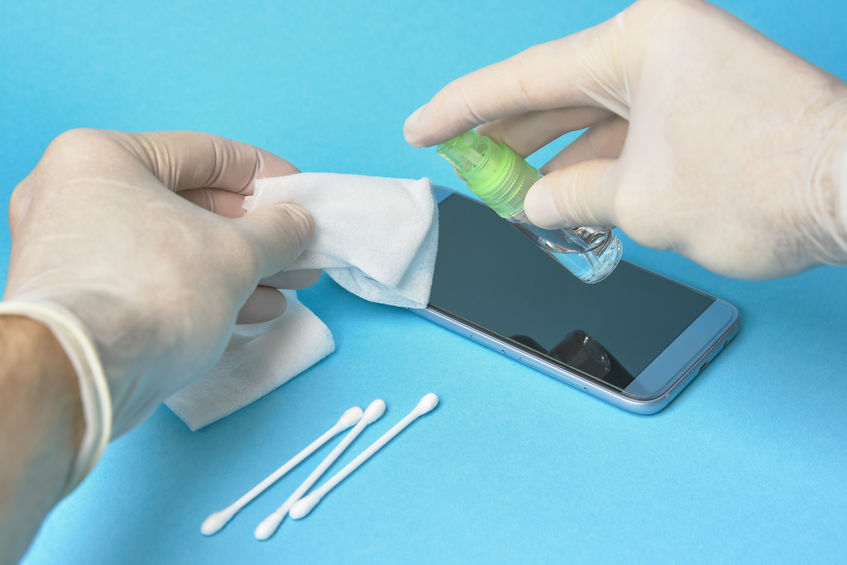
Electronics need a lighter touch than most household surfaces.
Turn devices off before cleaning and avoid spraying liquid directly onto screens, keyboards, or controls.
Use the manufacturer’s cleaning guidance whenever possible.
Cleaning Earbuds & Headphones →
Cleaning, Sanitizing and Disinfecting
These terms aren’t interchangeable
Cleaning removes dirt and debris. Sanitizing reduces the number of germs on a surface.
Disinfecting uses an appropriate product to kill specified microorganisms when used according to label directions.
Most routine house cleaning does not require disinfecting every surface constantly.
Prioritize disinfecting when someone is ill, when dealing with contamination, or when a surface genuinely needs it.
Always follow product directions, including contact time and ventilation instructions.
Laundry and Stain Removal
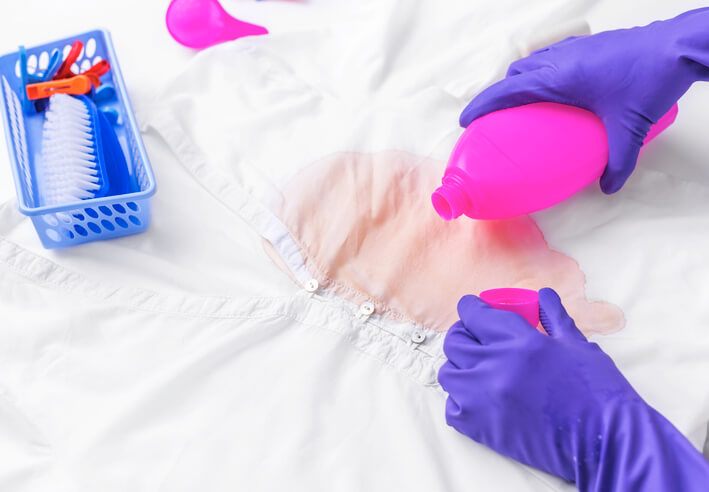
Stain removal works best when you identify the stain before throwing every cleaning product in the cabinet at it.
Different stains respond to different treatments.
A few general rules:
- Treat stains promptly.
- Blot stains rather than grinding them deeper into fibers.
- Check garment care labels.
- Test treatments on colored fabrics.
- Don't put a stained garment in the dryer until a stain is gone.
For stubborn stains, use a guide specific to the stain.
How to Remove Rust Stains From Clothes →
Cleaning With Kids
Kids can help with house cleaning, but the job has to match the child.
A four-year-old can put toys away. A school-age child can make a bed, dust, empty wastebaskets, or help sort laundry.
Older children can take on more complete room and household responsibilities.
The goal isn’t perfect results.
It’s teaching children that caring for a home is something everyone who lives there participates in.
Seasonal Cleaning
Seasonal cleaning works best when it focuses on jobs you don’t routinely get to.
Spring and fall are natural times to tackle things such as:
- Closets.
- Window coverings.
- Outdoor furniture.
- Storage areas.
- Deep appliance cleaning.
- Light fixtures.
- Walls and baseboards.
- Windows.
- Less frequently used rooms.
You do not need to deep-clean the entire house because the calendar has changed.
Pick the jobs that actually need attention.
Spring Cleaning Without Chemicals →
Fall Patio Furniture Cleaning →
Cleaning Special Surfaces and Household Items
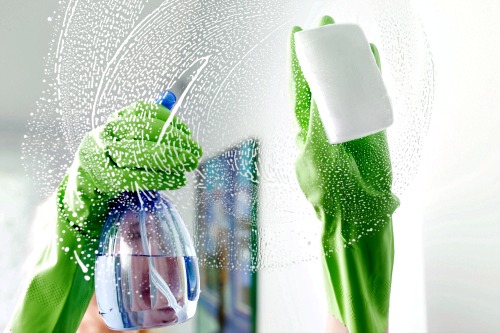
Some surfaces need their own cleaning methods.
Marble
Avoid acidic cleaners on marble because they can etch the surface.
Brass
Use methods appropriate to whether the item is solid brass or brass-plated.
Silverware
Choose a method appropriate to the type and finish of the silverware.
Brick
Indoor and outdoor brick may need different approaches depending on the type of dirt or staining.
Glass and Windows
Clean glass with the least aggressive method that gets the job done.
When to Hire a Cleaning Professional
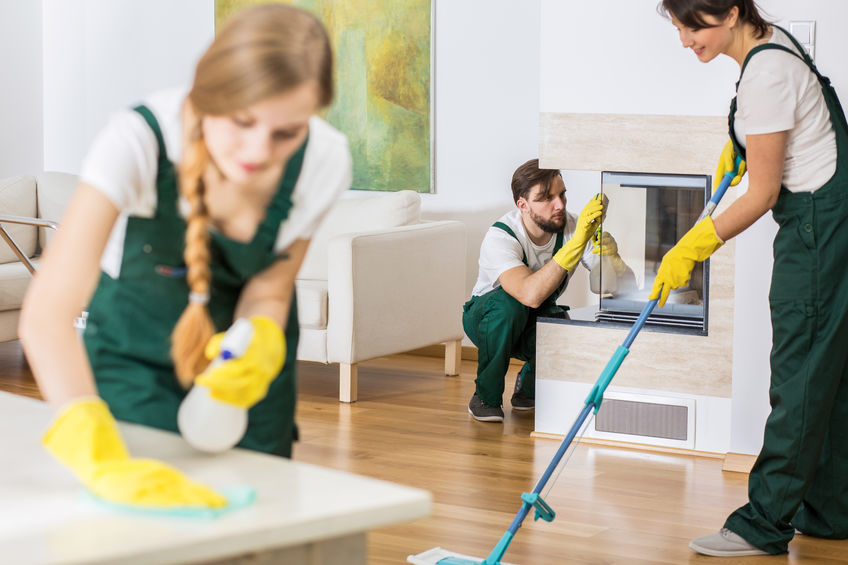
Sometimes hiring help makes sense.
Consider professional cleaning when:
- You’re dealing with extensive carpet or upholstery staining.
- A material requires specialized care.
- Mold or contamination exceeds routine household cleaning.
- You’re preparing for or recovering from a move.
- Physical limitations make certain jobs unsafe.
- Your time is worth more to you than the cost of outsourcing the work.
Hiring help isn’t failing at house cleaning.
It’s outsourcing a job.
Hiring a House Cleaning Service →
Hiring a Carpet Cleaning Service →
The Best House Cleaning System Is the One You Can Maintain
A clean home doesn’t come from one enormous cleaning day.
It comes from keeping ordinary messes ordinary.
Wash the dishes before they become an excavation.
Wipe the spill before it becomes part of the countertop. Put things away before they establish residency.
Handle the basic weekly jobs before the house starts demanding emergency intervention.
And when life gets busy and the routine falls apart? Start again with the room that bothers you most.
You don’t need to catch up on everything before you can make progress.
Need a Simpler Daily Cleaning Routine?
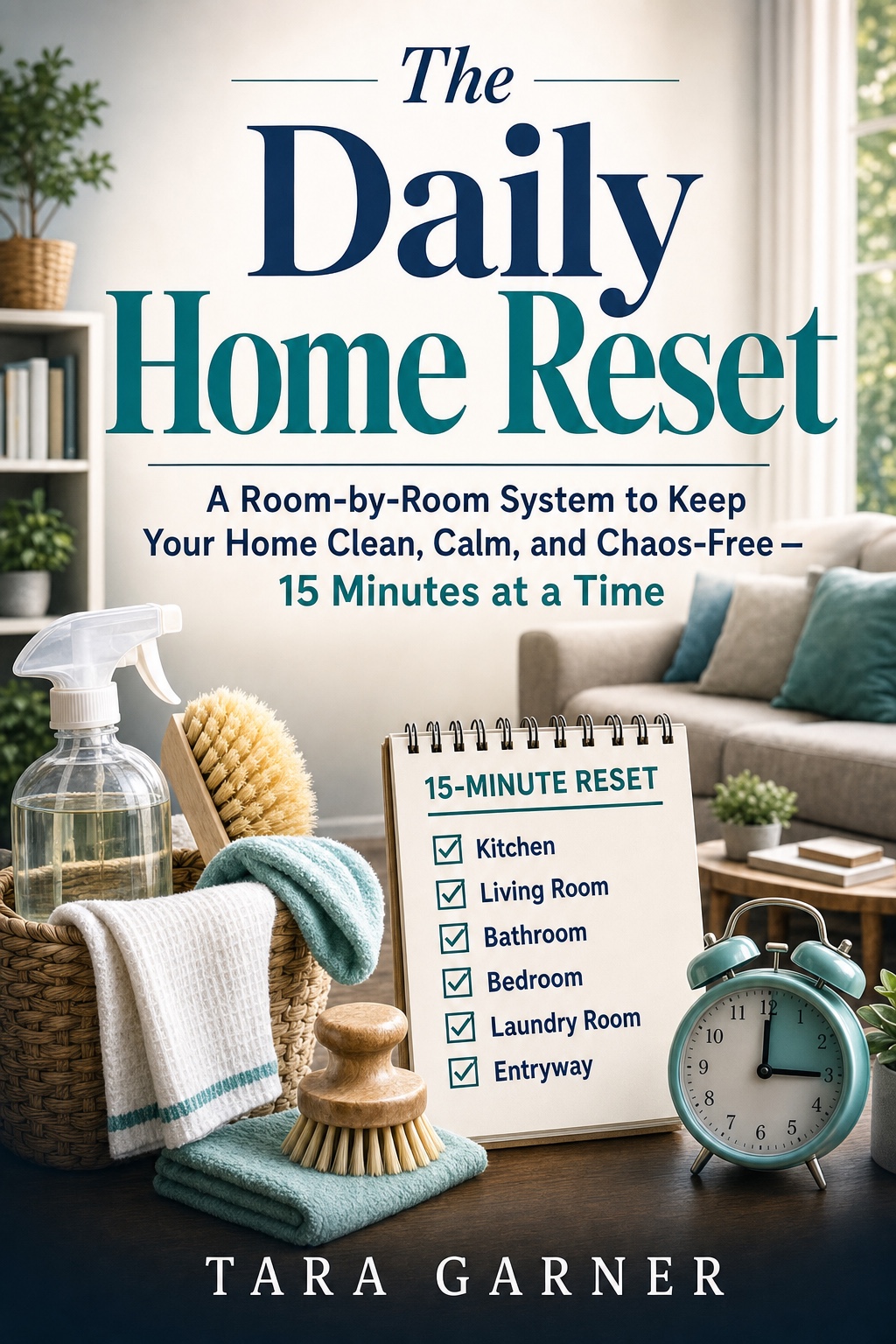
If your biggest problem isn’t knowing how to clean but finding the time to keep up with it, The Daily Home Reset gives you a room-by-room system built around short daily cleaning sessions.
The idea is simple: do enough today that you don’t lose Saturday to your house.
Explore More Home Guides
- Clean Home
- Clean