30 Family Tradition Ideas Your Family Will Actually Enjoy
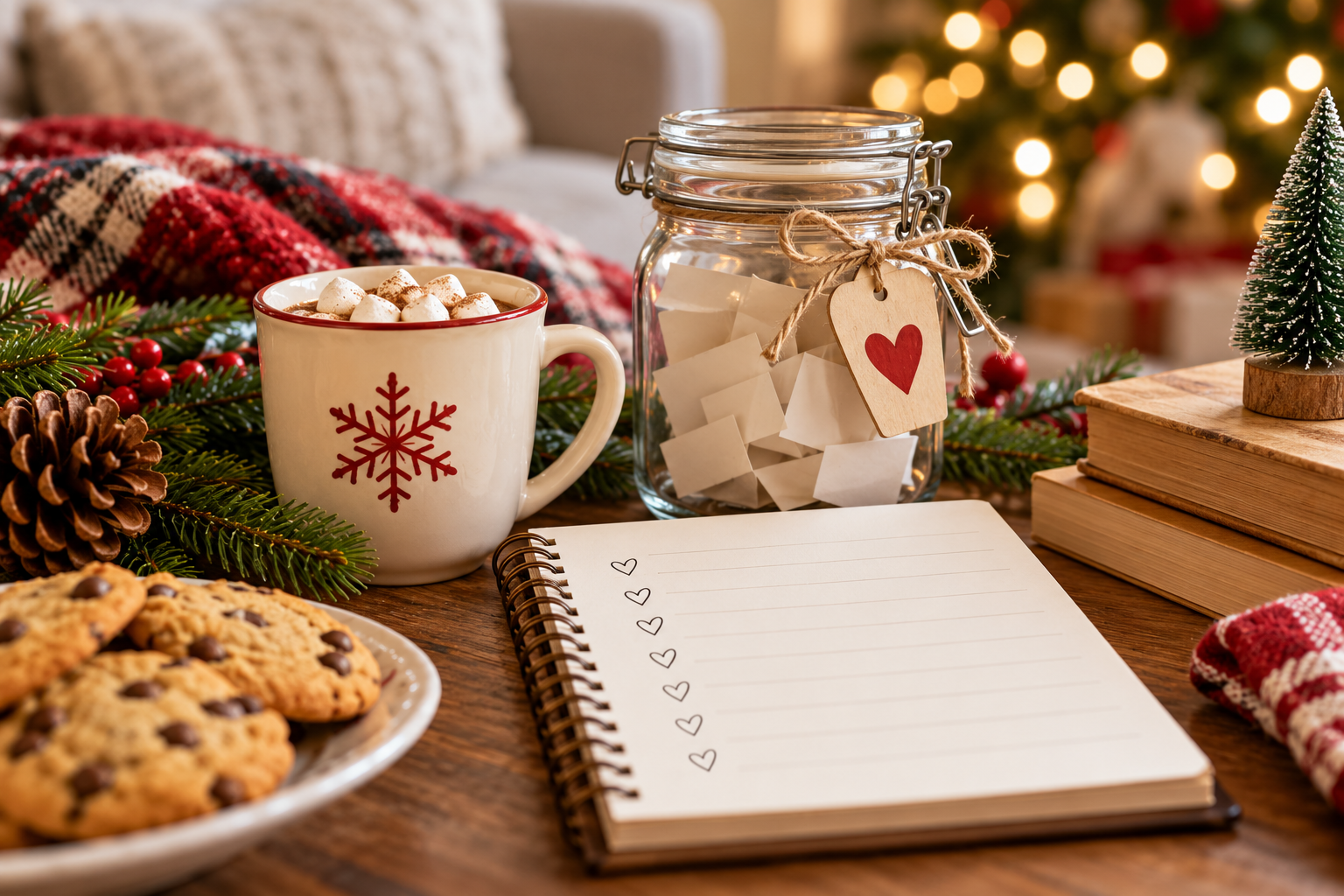
Family traditions sound very wholesome. And they are. But somewhere along the way, we've made them unnecessarily complicated. Apparently, we're now supposed to create elaborate holiday experiences, photograph them beautifully and provide coordinating snacks.
No. A family tradition can be pancakes. It can be pizza every Friday. It can be driving around looking at Christmas lights while somebody complains that everyone else is blocking the window.
The best traditions usually aren't the fanciest ones. They're the things your family does often enough that eventually somebody says, "But we always do that." That's when you know you've got one.
If you're looking for new family tradition ideas, start small. You don't need all 30. You probably don't even need five. Choose one or two that sound like your family. Then do them again. That's the important part.
1. Let the Birthday Person Choose Dinner
This may be the easiest family tradition ever invented. On birthdays, the birthday person chooses dinner:
- Restaurant
- Takeout
- Favorite homemade meal
- Breakfast for dinner
- Macaroni and cheese with absolutely no nutritional defense
It's their day. Let them choose. You can extend the tradition to dessert or a family activity, but you don't have to. The simple fact that the birthday person gets to decide makes the day feel different. And different is what makes a tradition memorable.
2. Make a Special Birthday Breakfast
Start birthdays with something your family doesn't ordinarily have. Maybe:
- Pancakes
- Cinnamon rolls
- Waffles
- Donuts
- French toast
- Breakfast in bed
- The birthday person's favorite cereal
It doesn't need to be complicated. Nobody wakes up on their 35th birthday thinking, "Those birthday pancakes would have meant so much more if Mom had made the syrup from scratch." Make breakfast. Add a candle if you can safely stick one in something. Sing. Tradition accomplished.
3. Take the Same Birthday Photo Every Year

Choose one spot in your home and photograph the birthday person there every year. Same chair. Same doorway. Same staircase. Same backyard spot.
Don't worry about recreating the photograph perfectly. The point is watching the person change. Eventually you'll have a sequence of pictures that shows childhood happening right in front of you. Including several hairstyles everyone will later agree were unfortunate.
4. Create a Friday Night Tradition
Friday is begging for a tradition. Everyone is tired. Nobody wants to make decisions. Excellent. Choose something easy:
- Pizza
- Movie night
- Game night
- Takeout
- Tacos
- Dessert
- Family TV night
Do roughly the same thing most Fridays. The predictability is part of the appeal. You don't have to ask, "What should we do tonight?" Friday already knows.
5. Have Sunday Dinner Together
Sunday dinner doesn't have to involve roast beef, polished silver and three generations sitting upright at a formal dining table. It can be spaghetti. The important part is sitting down together. If Sunday doesn't work, choose another night.
Try to protect one meal each week when everyone knows: We're eating together. Phones can survive elsewhere for 30 minutes. So can the laundry. Probably.
6. Create a First-Day-of-School Tradition
The first day of school is a natural milestone. Give it one familiar ritual. Maybe:
- Take a front-door photo
- Make the same breakfast
- Put a note in the lunchbox
- Serve a special after-school snack
- Let the child choose dinner
You do not need a personalized chalkboard documenting the child's height, teacher, favorite food, career plans and current opinion of broccoli. Take the picture. Get everybody out the door. That's already a productive morning.
7. Celebrate the Last Day of School
The last day deserves its own ritual. School is finished. Summer has officially arrived. Celebrate with:
- Ice cream
- Pizza
- A backyard dinner
- A trip to the beach
- A family swim
- A picnic
- Kids choosing dinner
Keep it simple enough that you're willing to do it again next year. That's the trick with all of these.
8. Mark the First Day of Summer
Choose something that officially means summer has begun. Maybe it's the first:
- Barbecue
- Beach day
- Popsicle outside
- Picnic
- Swim
- Watermelon
- Backyard dinner
Kids love recognizable transitions. And adults do too, even if we're less likely to admit it. There is something satisfying about saying: Okay. Summer starts now.
9. Have a Family Movie Night
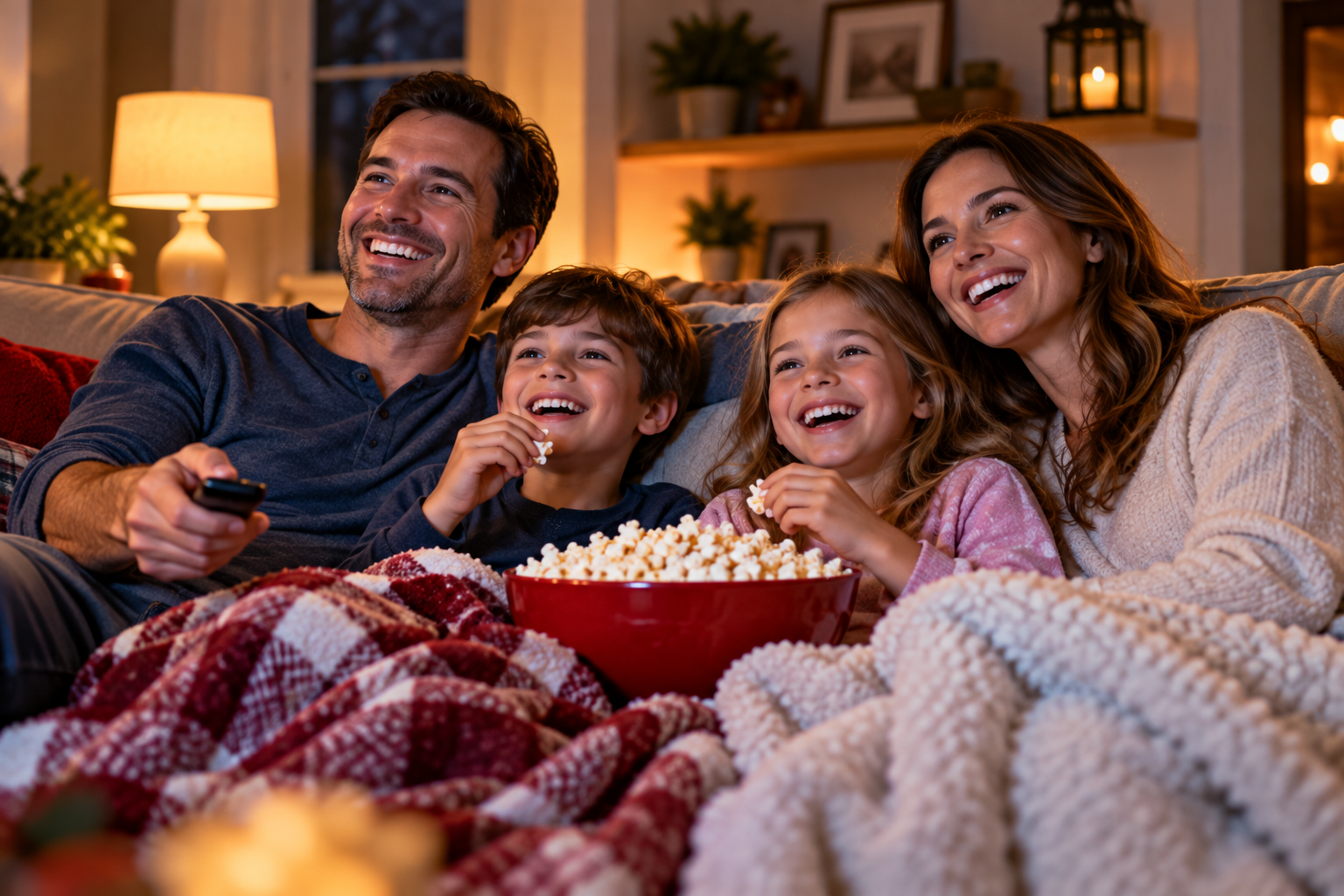
You can create seasonal movie traditions too. Maybe there's one movie you always watch at Halloween, Thanksgiving or Christmas. After a few years, nobody even has to ask what you're watching.
10. Start a Family Game Night
Board games and card games make excellent traditions because they require very little preparation. Pick a regular night. Bring out a game. Add snacks if you want. That's it.
As children get older, change the games. A tradition doesn't have to remain frozen at age seven. Also establish family rules about sportsmanship early. Otherwise Monopoly can expose personality traits you weren't prepared to confront.
11. Make One Meal Together
Choose one meal the family cooks together. Pizza is particularly good for this. Everyone can make their own. Tacos work too. So do pancakes. Older children can take on more responsibility. Little kids can stir, sprinkle or arrange things.
Will cooking with children take longer? Almost certainly. But the objective isn't maximum kitchen efficiency. You're building something they may eventually do with their own families.
12. Create a Family Recipe Tradition
Choose one recipe connected to a particular occasion. Maybe it's:
- Grandma's stuffing at Thanksgiving
- Cinnamon rolls Christmas morning
- Chili on Halloween
- Pancakes on birthdays
- A particular cake
- Summer barbecue ribs
- Soup on the first cold day
It doesn't have to be gourmet. It just has to appear often enough that everyone connects the food with the occasion. Food is remarkably good at carrying memories. Possibly because we keep eating it.
Planning for the holidays? The next eight ideas are holiday favorites. For 20 more, see 20 New Christmas Traditions to Start This Year.
13. Take a Christmas-Light Drive
This is one of the easiest and most festive holiday traditions. Pick an evening. Pile everyone into the car. Turn on Christmas music. Drive around looking at lights.
Bring hot chocolate if you enjoy managing hot beverages inside a moving vehicle. Otherwise, drink it when you get home. No tickets. No reservations. No elaborate preparation. And if you drive past one house with enough lights to be visible from space, even better.
14. Read the Same Christmas Book Every Year
Choose one favorite holiday book and read it every Christmas. Young children love repetition. Older children may pretend they have outgrown it. Continue cautiously.
Eventually, the child who rolled his eyes at 15 may be the adult asking, "Aren't we going to read the book?" Traditions sometimes go underground during adolescence. Don't assume they're dead.
15. Let Everyone Hang One Special Ornament
Give each family member one ornament that's particularly meaningful. Every year, let that person hang it. Maybe the ornament came from:
- A trip
- A grandparent
- Childhood
- School
- A special year
- Something hilariously ugly nobody can explain
The tree gradually becomes a family history. Just don't feel obligated to preserve every piece of glitter-covered cardboard anyone has ever produced. You are allowed to curate.
16. Open One Gift on Christmas Eve
This is a classic. Choose one present for Christmas Eve. Maybe it's pajamas, a book, an ornament, a family game or something small. Or let everyone choose one gift from under the tree.
Children will spend considerable time trying to determine which package has the highest potential value. That's part of the tradition too.
17. Have a Holiday Baking Day
Choose one day to bake together. Don't attempt 14 recipes. Pick two or three things your family likes. Let children help. Put on music. Accept flour on surfaces where flour has no obvious reason to be.
And don't worry if the cookies aren't beautiful. Cookies have an excellent fallback career. They can be eaten.
18. Let Kids Choose One Holiday Tradition
Ask the children, "What is one thing you really want us to do this Christmas?" Listen to the answers. You may be surprised. They might choose something incredibly simple. Seeing lights. Making cookies. Watching a movie. Sleeping near the Christmas tree. Visiting Grandma.
Children often have a much clearer idea of what feels special than adults armed with holiday planning boards.
19. Create a Family Giving Tradition
Choose one way your family helps someone else each year. You might:
- Donate toys
- Shop for a giving tree
- Prepare a meal
- Help a neighbor
- Volunteer
- Donate food
- Support a local organization
- Buy gifts for a family in need
Let children participate. Giving means more when they're involved in the process. And keep the focus where it belongs. You don't need photographic proof that your family was generous. Just help.
20. Have a Secret Holiday Helper Tradition
Choose someone who could use a little kindness. Maybe a neighbor. Teacher. Relative. Friend. Someone having a difficult year. Do something anonymously if appropriate. Leave cookies. Drop off flowers. Deliver dinner. Leave a small gift.
Kids generally enjoy doing nice things and being allowed to keep a secret. This combines both.
21. Take the Same Vacation Photo
Every family vacation, take one predictable photo. Maybe everyone stands at the hotel, at the beach, beside the car, at a favorite destination or in front of the same landmark. If you return to the same place regularly, recreate the photo there.
Don't obsess about exact positioning. Years later, you'll care much more about how everyone changed. The scenery is just background.
22. Let Everyone Choose One Vacation Activity
Family trips become much easier when everyone gets some ownership. Let each person choose one activity. One person might choose a museum. Another wants the beach. Someone else wants miniature golf. A teenager may select "sleep until noon."
Negotiations may be required. But everyone gets something that's theirs. That makes the trip feel more like a family vacation and less like a professionally managed tour organized by Mom.
23. Have a First-Night-of-Vacation Meal
Choose something you do on the first night of every vacation. Maybe you always order pizza, find a local burger place, eat somewhere near the hotel, make sandwiches, have ice cream, or go back to the same restaurant if you revisit a destination.
The meal doesn't need to be special. Its position makes it special. We're here. Vacation has started. That's the tradition.
24. Create a Coming-Home Tradition
Returning from a trip deserves a ritual too. Maybe everyone knows that when you get home, you order Chinese food, make grilled cheese, get pizza, have cereal for dinner, watch a movie or eat something easy from the freezer.
Because after traveling, unpacking and discovering that somebody left something questionable in the refrigerator, nobody needs culinary ambition. Homecoming food can become surprisingly memorable.
25. Have a Family Picnic
Pick one day each year for a family picnic. Same park if you like. Same beach. Same backyard. Pack familiar food. Bring a ball or game. Take a photo.
You don't need wicker baskets and checked tablecloths. A picnic is simply eating somewhere that isn't the kitchen. Ants are optional.
26. Create a Seasonal Tradition
Give each season one simple ritual:
- Spring: Plant something.
- Summer: First beach or pool day.
- Fall: Make a favorite dinner or visit a pumpkin patch.
- Winter: Hot chocolate and a movie.
The activity doesn't have to be large. The repetition is what makes it meaningful. You're marking the passage of time. We're here again. Let's do our thing.
27. Have a Family Story Night
Every once in a while, tell old family stories. Tell children:
- How their parents met
- Funny things they did as toddlers
- Stories about grandparents
- Family vacation disasters
- Childhood memories
- Stories about relatives they never knew
Children need family history. They also thoroughly enjoy learning that their parents once did ridiculous things. Possibly more than they enjoy the history. Tell the stories anyway.
28. Create a Grandparent Tradition
If grandparents are part of your children's lives, create something recognizable they do together. Maybe:
- Sunday phone call
- Baking together
- Annual outing
- Special breakfast
- Holiday sleepover
- Birthday lunch
- Reading together
- A particular game
It doesn't have to be big. The relationship is the important part. The tradition simply gives it a recurring place to happen. See the holiday grandparents visit survival guide for tips on helping things go smoothly.
29. Make One-on-One Time a Tradition
Family traditions don't always need the whole family. Create small rituals between individual people. Dad and daughter breakfast. Mom and son bookstore trip. Grandparent and grandchild baking afternoon. One child helps make Saturday breakfast. One parent takes each child out individually on their birthday.
One-on-one traditions can be especially meaningful in larger families where somebody is usually interrupting somebody else. Which is to say: larger families.
30. Create a Tradition Nobody Planned
This may be the most important idea on the list. Pay attention to the things your family naturally repeats. Maybe everyone:
- Gets milkshakes after the dentist
- Orders pizza when decorating the Christmas tree
- Plays cards during vacations
- Eats pancakes during thunderstorms
- Stops at the same place on road trips
- Tells the same joke every Thanksgiving
Don't dismiss those because they weren't intentionally created. Some of the best traditions simply happen. Then one day someone says, "We have to do that. We always do that." There it is.
Family Tradition Ideas for Young Children
With young children, keep traditions obvious and simple. Think:
- Birthday pancakes
- Friday movie night
- First popsicle of summer
- Christmas book
- Bedtime song
- First-day-of-school photo
- Saturday morning pancakes
- Holiday cookie baking
Young children don't need complicated symbolism. They need repetition. If the ritual is recognizable and they get to participate, they'll understand very quickly: This is what our family does.
Family Tradition Ideas for Teenagers
Teenagers require a slightly different approach. Traditions created for little children may need to grow. Let teenagers:
- Choose the restaurant
- Pick the movie
- Control the music
- Cook something
- Plan an outing
- Bring a friend when appropriate
- Take the annual family photo
- Drive on an outing when appropriate
- Take over part of a holiday tradition
Do not interpret every eye roll as proof that family traditions have failed. Eye rolling is sometimes simply the teenage soundtrack. But do give older children more ownership. Nothing kills enthusiasm faster than being treated like you're eight when you're 16.
Family Traditions That Cost Almost Nothing
Traditions do not require a large budget. Try:
- Walking to see Christmas lights
- Movie night at home
- Family game night
- Birthday breakfast
- Annual photo
- Picnic
- Family hike
- Backyard dinner
- Story night
- First-day-of-summer trip to the park
- Sunday phone call with grandparents
- Homemade pizza night
Kids generally aren't calculating the market value of the experience. They're noticing: We always do this. That's what matters.
How to Make These Ideas Stick
An idea becomes a tradition when you do it again. And again. Want to know how to pick the right ones, blend traditions from two families, adjust when the kids grow up, and retire the ones nobody enjoys anymore? It's all in How to Create Family Traditions Your Family Will Actually Keep.
The Bottom Line
The best family tradition ideas aren't the cleverest ones. They're the ones that fit your actual family. Not the imaginary family that wakes cheerfully at 6:30, enjoys coordinated crafts and never argues in the car. Your family.
So skim the list. Circle one or two that made you smile. Try them this month. If everybody grumbles, cross them off and try another. If somebody asks, "Are we doing that again?" you've got a keeper.
Years from now, nobody will remember whether the napkins matched the centerpiece. They'll remember Friday pizza, birthday pancakes and the vacation photo everybody complained about taking.
Keep Going
Make family life a little easier, and a lot more fun, with these related guides:
- How to Create Family Traditions: How to start traditions your family will actually keep.
- 20 New Christmas Traditions: Holiday traditions that won't wear you out.
- Easy Christmas Holiday Tips: Fewer headaches, more holiday.
- Holiday Entertaining With Kids: Party plans that work with little ones underfoot.
- Grandparents Visiting for the Holidays?: 20 tips to keep the peace.
- Kids Party Planning Ideas: Birthday parties without the meltdowns (yours).
- Chores for Kids by Age: The complete age-appropriate chore list.
- Family Life: Ideas for making home life with kids run smoother.
- Clean Home
- Family Life
- Family Traditions Ideas
Free 15-Minute Daily Reset Checklist
Get Notes on Keeping House
Fifteen minutes a day. No weekend cleaning marathons. No guilt. Sign up for my newsletter and I'll send you the printable checklist that makes it happen.
Send My ChecklistNo spam, ever. Unsubscribe anytime.
Free Printable
Notes on Keeping House
Sign up and get my 15-Minute Daily Reset Checklist. One timer, five zones, and a house that stays under control.
Send My ChecklistNo spam, ever. Just smart, funny tips for keeping house from Tara Aronson.