A Weekly Home Cleaning Routine for Busy People
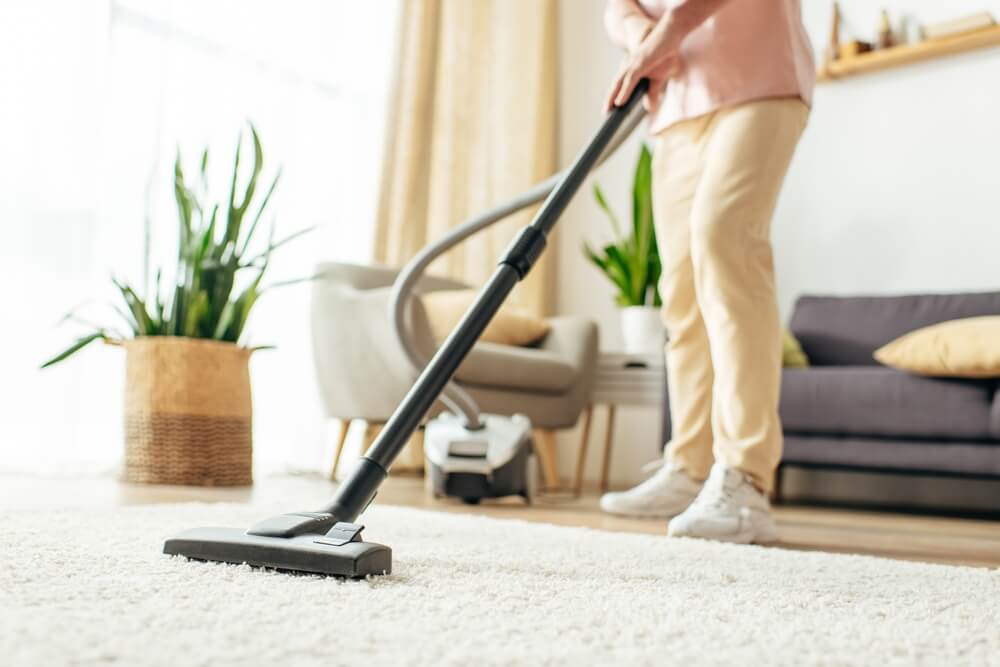
Some cleaning schedules assume you wake up Saturday morning thrilled to devote six hours to the house.
This is not that schedule.
Most of us are trying to fit cleaning around work, errands, meals, appointments, family, pets, and the occasional desire to sit down.
The goal isn't to keep your home permanently spotless. The goal is to keep it reasonably clean and under control without sacrificing an entire weekend.
A good weekly cleaning routine works because you do a little at a time, focus on what matters, and let some things wait.
Yes, wait.
Dust has remarkable patience. You can borrow some.
First, Stop Trying to Clean Everything Every Week
Not every household job deserves a place on your weekly schedule. Every week, concentrate on the areas that get dirty fastest:
- Kitchen.
- Bathrooms.
- Floors.
- Bedrooms.
- Main living areas.
- Laundry.
- Trash.
- Everyday clutter.
You probably do not need to clean baseboards, wash windows, organize closets, and scrub inside the oven every seven days.
Those are periodic jobs.
Mix them into your weekly routine, and suddenly you've created a part-time cleaning job for yourself. No wonder nobody wants to follow it.
The Busy-Person Rule: Maintain Instead of Rescue
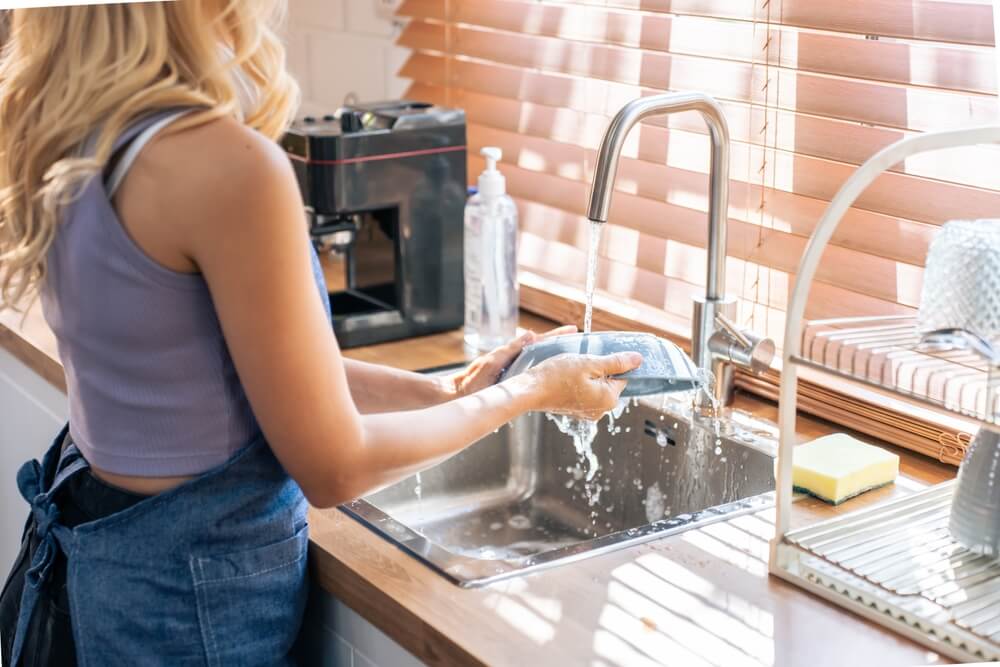
Cleaning takes much longer when every job begins as a disaster. A dried spill is harder to remove than a fresh one.
A sink containing two dishes is easier to deal with than a sink containing seventeen dishes, three pans, and something soaking since Tuesday.
The quickest weekly cleaning routine is built on tiny bits of maintenance. Try to handle the easy mess while it's still easy.
That means:
- Wiping spills when you see them.
- Putting dishes into the dishwasher.
- Tossing trash when it's full.
- Returning things to their rooms.
- Hanging towels instead of leaving them on the floor.
- Putting dirty clothes in the hamper.
None of these qualify as a cleaning event. That's precisely why they work.
Use a 10-Minute Daily Reset
Give yourself ten minutes at the end of the day. Not an hour. Not until the house is perfect.
Ten minutes.
Walk through the main living areas and deal with whatever is making the house look most chaotic. That might mean:
- Load the dishwasher.
- Clear the kitchen counters.
- Pick up shoes.
- Put away mail.
- Straighten the living room.
- Toss dirty clothes into hampers.
- Return bathroom products to their places.
Set a timer if it helps. When the ten minutes are over, you're finished.
The point is not to clean the house. It's to prevent tomorrow from starting with yesterday's mess.
A Simple Weekly Cleaning Routine
Instead of cleaning the whole house in one enormous session, spread the work across the week. Here's one practical version.
Monday: Bathrooms
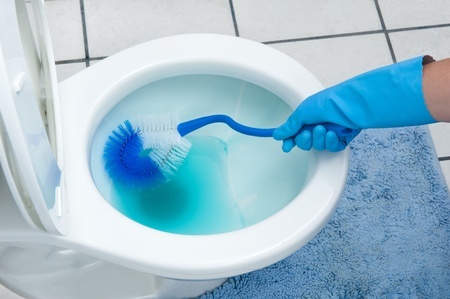
Clean:
- Toilets.
- Sinks.
- Faucets.
- Mirrors.
- Counters.
Give the tub or shower attention if needed. Empty the trash. Replace towels. Sweep or mop the floor as needed. Done.
No need to reorganize the medicine cabinet because you happen to be standing there.
That is how a 20-minute bathroom cleaning turns into a three-hour project.
Tuesday: Bedrooms and Linens
Change bed linens.
Pick up clothing.
Clear nightstands.
Dust obvious surfaces.
Vacuum or sweep.
Don't use linen day as an excuse to pull everything out from under the bed unless something underneath has begun requesting legal residency.
Keep moving.
Wednesday: Living Areas
Concentrate on the rooms where everyone gathers.
- Put away clutter.
- Dust visible surfaces.
- Straighten pillows and throws.
- Wipe tables.
- Vacuum rugs or carpet.
- Sweep hard floors.
If your living room has become the temporary storage facility for everything nobody wanted to put away, start there.
Cleaning is much faster when you can actually see the furniture.
Thursday: Kitchen
The kitchen gets some attention every day, but once a week, give it a more thorough reset.
- Clear and wipe counters.
- Clean the sink.
- Wipe the stovetop.
- Wipe appliance fronts where needed.
- Clean the microwave if necessary.
- Check the refrigerator for old food.
- Clean the table.
- Sweep and mop.
This is maintenance. It is not the day to empty all the cabinets and alphabetize the spices. Unless that sounds genuinely entertaining to you.
In which case, carry on.
Friday: Floors and Catch-Up
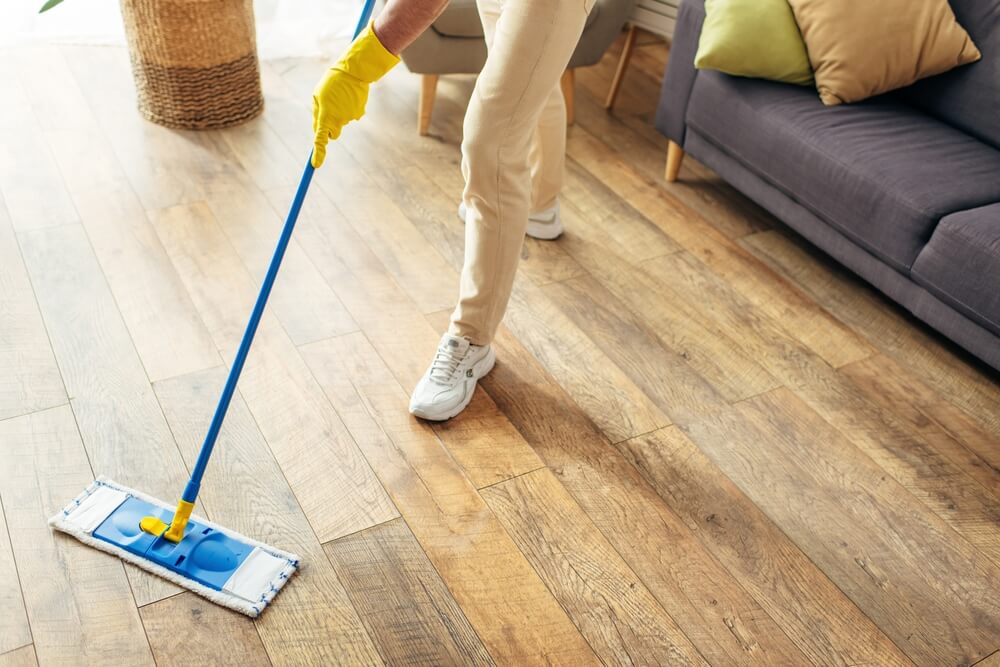
Vacuum or sweep the high-traffic areas that still need attention.
Mop hard floors where necessary.
Then use any remaining time to catch one thing you didn't get to earlier in the week.
One thing. Not an escalating series of punishments for having been busy. If the house looks reasonably good, you're done.
Friday night has better uses.
Weekend: Do Less
The whole purpose of cleaning during the week is to prevent Saturday from becoming Cleaning Day.
Handle a small extra job if you want to. Maybe:
- Wash pet bedding.
- Clean one appliance.
- Tackle one clutter hotspot.
- Catch up on laundry.
- Do a seasonal maintenance job.
But don't automatically assign yourself an entire day of housework just because the calendar says Saturday.
Your home exists to support your life. Your life does not exist to support your home.
Make the Most of Dead Time
You don't need to invent extra hours for housekeeping. Use the small pockets of time you already have.
While coffee brews:
- Empty the dishwasher.
- Clear the counter.
- Wipe the sink.
While dinner cooks:
- Put ingredients away.
- Load dirty utensils.
- Wipe preparation surfaces.
While waiting for children to finish getting ready:
- Fold a few towels.
- Put away clutter.
- Empty a wastebasket.
During a commercial break or between episodes:
- Straighten the living room.
- Put shoes away.
- Carry stray items to the correct room.
These aren't major cleaning sessions. That's the point.
Five minutes used now can prevent a 30-minute cleanup later.
Don't Confuse Multitasking With Making Yourself Crazy
There is a useful kind of multitasking. Running the dishwasher while you clean the counter qualifies.
Trying to clean the bathroom while answering work email, supervising homework, ordering groceries, and talking on the phone does not.
That's just doing five things badly.
When you're tackling a short cleaning job, finish it. Ten focused minutes usually accomplish more than thirty distracted ones.
Use the "While I'm Here" Rule
When you're already in a room, do one small thing.
Going upstairs? Carry something upstairs that belongs there. Leaving the bathroom? Take the empty trash bag.
Walking past the laundry room? Move the clothes to the dryer. Leaving the kitchen? Take the shoes someone inexplicably abandoned beside the refrigerator.
This isn't compulsory productivity. It's simply reducing unnecessary trips.
You're already going there. Take the clutter with you.
Put Cleaning Supplies Where You Use Them
If it takes five minutes to find the cleaner, you've already made a three-minute job annoying. Keep frequently used supplies convenient.
For example:
Bathroom: basic bathroom cleaner, cloths, and toilet supplies.
Kitchen: appropriate surface cleaner and cloths.
General cleaning: duster, vacuum, and basic supplies somewhere easy to reach.
Store cleaning products safely, follow label instructions, and keep them away from children and pets.
Convenience matters. The easier a job is to start, the more likely you are to do it before it becomes a much larger job.
Don't Clean a Surface That Isn't Dirty
Cleaning schedules are guides. They are not legally binding contracts.
If the guest room hasn't been used this week, it probably doesn't need the same attention as the kitchen.
If the bathroom mirror is clean, leave it alone. If the floor looks fine, move on.
Look at your house. Clean what actually needs cleaning. A checklist should reduce decision-making.
It shouldn't eliminate common sense.
Decide What's Allowed to Wait
Busy weeks require priorities. If time is limited, concentrate on:
- Kitchen.
- Bathrooms.
- Trash.
- Necessary laundry.
- Floors in high-traffic areas.
- The room people actually use.
Then stop. The bookshelf can wait. The top of the refrigerator can wait. The spare bedroom nobody entered all week can most definitely wait.
A home doesn't become unsanitary because you postponed dusting the mantel.
Keep Clutter From Stealing Your Cleaning Time
One of the biggest obstacles to fast cleaning isn't dirt.
It's stuff.
If every surface is covered, you first have to move everything before you can clean anything. That's why your daily reset matters.
Keep the main surfaces reasonably clear. Give frequently used items homes. Get rid of things your household no longer needs.
The less stuff you have to move, rearrange, and work around, the faster you can clean.
How to Declutter Your Home Without Getting Overwhelmed →
Don't Let Laundry Take Over the Week
Laundry is one of those chores that keeps generating itself. There is no final load. Accept this and life improves.
Instead of waiting for Mount Laundry to appear, choose a system that fits your household. You might:
- Run one load most days.
- Wash on two or three designated days.
- Assign different categories to different days.
Whatever system you choose, finish the cycle:
Wash → Dry → Fold → Put Away
That final step is important. Clean laundry living indefinitely in baskets is technically clean. It is not technically put away.
Laundry & Stain Removal Guide →
Prevent Messes Before They Become Cleaning Jobs
The fastest thing to clean is the mess that never happened.
A few simple systems can save substantial time:
- Use entry mats to reduce tracked-in dirt.
- Keep shoes near the door.
- Keep hampers where you actually remove clothes.
- Put trash cans where trash accumulates.
- Keep pet supplies contained.
- Use trays or mats beneath messy feeding areas.
- Keep food in designated eating areas.
Design the house around how people actually behave.
If everyone drops their keys in the same spot every day, that spot is trying very hard to tell you where the key basket belongs.
Listen to it.
Let Everyone Who Lives There Participate
If you live alone, congratulations. All the mess is yours.
If several people live in the house, cleaning shouldn't automatically fall to one person.
Give children age-appropriate jobs. Partners and other adults can take responsibility for entire tasks rather than "helping" when asked.
Possible jobs include:
- Emptying trash.
- Loading the dishwasher.
- Wiping counters.
- Vacuuming.
- Folding laundry.
- Cleaning a bathroom.
- Putting away groceries.
- Managing pet areas.
Specific responsibilities work better than vague instructions such as:
Everybody needs to help more.
That sentence has probably never cleaned a bathroom.
Lower the Standard on Difficult Weeks
Some weeks simply go sideways.
Someone gets sick.
Work becomes frantic.
Appointments multiply.
Your schedule collapses.
Do the minimum. A minimum cleaning week might include:
- Dishes.
- Kitchen counters and sink.
- Toilets.
- Bathroom sinks.
- Trash.
- Necessary laundry.
- A quick vacuum or sweep of the worst areas.
That's enough. You can resume the normal routine next week.
The house does not require a written explanation.
Have a 30-Minute Emergency Routine
Sometimes you discover that people are coming over.
Soon.Very soon.
This isn't the time to clean the top of the refrigerator. Spend 30 minutes on what guests will actually see.
First 10 Minutes
- Pick up visible clutter.
- Put dishes away.
- Clear main surfaces.
Second 10 Minutes
- Clean the guest bathroom.
- Wipe the kitchen counter and sink.
Final 10 Minutes
- Vacuum or sweep the main traffic areas.
- Empty visible trash.
- Straighten the living room.
Then stop. Guests are coming to see you.
Anybody conducting a cleanliness inspection should have disclosed that before accepting the invitation.
What About Germs?
Routine household cleaning and disinfecting aren't the same thing. Most weekly cleaning involves removing dirt, spills, dust, and grime.
Disinfection may be appropriate in specific circumstances, particularly when illness is present or on surfaces where it is otherwise warranted.
Follow product directions. Don't assume every object in your home needs weekly chemical warfare.
Cleaning, Sanitizing and Disinfecting →
What About Allergies?
Households dealing with allergies may need to adjust their routine. Depending on the triggers involved, you may need to pay additional attention to:
- Dust.
- Bedding.
- Carpets.
- Upholstery.
- Pet areas.
Follow appropriate medical advice for significant allergies.
From a housekeeping standpoint, the most useful strategy is often consistent cleaning rather than occasional cleaning marathons.
Your Weekly Cleaning Routine at a Glance
Every day:
10-minute reset: do dishes, clean spills, and clear obvious clutter.
Monday:
Bathrooms.
Tuesday:
Bedrooms and linens.
Wednesday: Living areas.
Thursday: Kitchen.
Friday: Floors and catch-up.
Weekend: Optional extra job—or nothing at all.
This isn't the only possible schedule. Move the days around.
Combine jobs. Skip something that doesn't need cleaning.
The routine should fit your life. Your life should not have to fit the routine.
Weekly Routine or Weekly Checklist?
They do different jobs.
Your weekly cleaning checklist tells you what generally needs cleaning each week.
This routine shows you how to spread that work across a busy week so you don't spend your weekend doing it all at once.
If you'd rather complete the week's cleaning in one session, use the checklist.
See the Weekly Cleaning Checklist: A Simple Room-by-Room Routine →
A Cleaning Routine Should Give You Time Back
A good cleaning routine isn't one that produces a perfect house.
It's one that prevents the house from repeatedly becoming a project.
Do a little every day. Give each weekday a manageable focus.
Skip things that aren't dirty. Let nonessential jobs wait. Ask everyone who lives there to participate.
Then, when the weekend arrives, you can spend it doing something besides cleaning the house.
The dust will still be there Monday. It is remarkably dependable.
Explore More Cleaning Help
House Cleaning Guide: How to Keep Your Home Clean Without Spending All Weekend →
Kitchen Cleaning & Organizing →
Bathroom Cleaning & Organizing →
- Clean Home
- Clean
- Weekly Home Cleaning Routine