Siblings Sharing a Room

For lots of families, giving every kid a room of their own just isn't possible. And honestly? I think a lot of kids are secretly glad to be sharing a room with a sibling, at least until someone touches someone else's stuff.
When kids are very young, you might even have them share a bedroom on purpose and turn the other room into a playroom. They comfort each other in the dark and have more room to play when it's light. Here's how to make room sharing work, and keep the peace.
1. Give Each Child Their Own Space
Even in a shared room, every kid needs a spot that's theirs alone. Divide the room in half if you can. A bookcase, a curtain on a ceiling track or a folding screen between the beds gives each child privacy, and it works wonders for really rocky sibling rivalries. Even a rug under each bed marks the territory.
2. Give Each Child Their Own Storage
Arguments over whose shirt is whose end fast when every child has their own drawers, their own shelf and their own section of the closet. Color-code bins and hangers. If the closet is too small, a rolling wardrobe or a closet in another room works. Here's more on how to organize a kid's room.
3. Set Room Rules Together
Sit down together and agree on the rules. Kids follow rules they helped make. Good ones to start with:
- Knock or ask before coming in when the other person has "alone time."
- Ask before you borrow. Every time.
- Each person cleans up their own side.
- No reading the other person's diary. Ever.
- Lights out means quiet.
Write them down and post them on the back of the door. A family meeting is a great place to work them out.
4. Create a Keep-Out Box
Give each child a lidded box or a locking bin for special treasures: the rock collection, the birthday money, the diary. Nobody touches anyone else's box. It's the easiest way to stop the "she touched my stuff!" wars before they start.
5. Let Each Child Decorate Their Side
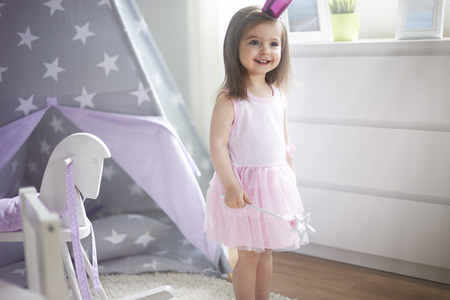
One wants unicorns, the other wants dinosaurs? Let them. Each child gets to choose the bedding, the posters and the art on their side. Pick a neutral wall color and let the accessories do the talking. When each child has a say, the room feels like theirs, not just the room they're stuck with.
6. Designate Sole Ownership Time
Give each child the room all to themselves for 30 minutes a day. It's one of the easiest ways to prevent squabbling, and it gives everyone a break, including you.
7. Plan for Different Bedtimes
Different ages usually mean different bedtimes. Put the younger child to bed first. The older one can read in the living room and come in quietly later. Give the older child a clip-on book light or a headlamp, so the overhead light stays off. Stagger wake-up times, too, and have the early riser lay out clothes the night before, so they can dress without waking anyone.
8. Make a Noise Plan
A white noise machine covers a lot of sins, from snoring to the sibling who talks in their sleep. Headphones for music and videos keep the peace when one child wants quiet.
9. Consider Bunk Beds or Loft Beds
Bunk and loft beds free up floor space for play, desks and storage. Follow the safety rules: kids under 6 shouldn't sleep on the top bunk, and the top needs guardrails on both sides.
10. Think About Ages and Stages
Shared rooms work best for younger kids. Once kids hit the tween years, they usually want, and need, more privacy. If a big age gap or different schedules (like a teen who studies late and a toddler who naps) cause constant friction, it may be time to rethink who shares with whom, or to carve out a private corner elsewhere in the house. Boy and girl siblings often share happily when they're young. As they get older, plan for privacy for changing.
11. Keep the Room Easy to Clean
Two kids, one room, twice the mess. Keep it manageable with a hamper for each child, a bin for each child's toys and a 10-minute pickup before bed. Each child cleans their own side, and the shared space gets a team effort. Here's how to get kids to clean their room.
12. Sharing a Bathroom, Too? Divide and Conquer

Chances are, siblings who share a bedroom share a bathroom, too. And sharing a small space and a sink while everyone's trying to get out the door on time can easily lead to World War III without a battle plan.
- Divide and conquer. Assign separate areas: his side of the sink, her drawer, his shelf. Then have the kids help organize their own space.
- Color their world. Have each child pick a color for everything: toothbrush, towel, cup and caddy. It cuts down on squabbles, and it solves the mystery of who "forgot" to hang up her towel.
- Use caddies. When drawer and counter space are tight, give each child a colorful plastic caddy for shampoo, brushes and grooming supplies. Store the caddies in their bedroom, and carry them in.
- Make a morning schedule. Post a bathroom schedule with time slots, and give the slowest child the first one.
- Start off sparkling. Clear out the old stuff, wipe down the shelves, drawers and counters, and then put everything back in its new home. Here are more bathroom cleaning and organizing tips.
Siblings Sharing a Room: Quick Answers
At what age should siblings stop sharing a room?
There's no set age. Many kids share happily through the early grade-school years. Watch for the need for privacy as they approach the tween years, and for constant conflict from different ages or schedules.
How do you divide a shared bedroom?
Use a bookcase, a curtain on a ceiling track or a folding screen between the beds, and give each child their own storage and decorating space.
How do you handle different bedtimes in a shared room?
Put the younger child to bed first, give the older one a quiet place to read until bedtime and a book light, and use a white noise machine.
How do you keep the peace when siblings share a room?
Give each child their own space and storage, set room rules together, create a keep-out box for special things and give each child 30 minutes of alone time in the room every day.
Keep Going
Make family life a little easier with these related guides:
- How to Organize a Kid's Room: Simple storage ideas.
- Bedroom Ideas for Gradeschoolers: Rooms that grow with them.
- How to Get Kids to Clean Their Room: Without the nagging.
- How to Hold a Family Meeting: Rules, roles and agendas.
- Chores for Kids by Age: The complete age-appropriate list.
- Bathroom Cleaning and Organizing: A complete guide.
- Sleepover Rules for Success: When the shared room gets guests.
- Family Life Made Easier: Chores, routines and kids' rooms.
- Clean Home
- Family Life
- Siblings Sharing a bedroom
Free 15-Minute Daily Reset Checklist
Get Notes on Keeping House
Fifteen minutes a day. No weekend cleaning marathons. No guilt. Sign up for my newsletter and I'll send you the printable checklist that makes it happen.
Send My ChecklistNo spam, ever. Unsubscribe anytime.

Free Printable
Notes on Keeping House
Sign up and get my 15-Minute Daily Reset Checklist. One timer, five zones, and a house that stays under control.
Send My ChecklistNo spam, ever. Just smart, funny tips for keeping house from Tara Aronson.