May Cleaning Checklist: 15 Things to Clean Before Summer

May is the month when spring cleaning begins losing its charm.
In March, we were enthusiastic. In April, we cleaned behind furniture and felt extremely responsible. By May, nobody wants to spend a beautiful Saturday inside scrubbing something that hasn’t bothered them for the previous eleven months.
Good news: you don’t have to.
May cleaning is less about deep-cleaning the house and more about getting it ready for summer. Windows will be open more often. Fans are coming back into service. Outdoor furniture is being used again. The refrigerator is about to fill with summer food and drinks. And the garage suddenly contains everything you need—and somehow none of it is accessible.
So this month, finish one lingering spring job and turn your attention to warmer-weather living.
What should you clean in May? Focus on getting the house ready for summer: ceiling fans, window screens, the AC filter, the fridge and freezer, the grill, the patio and outdoor cushions, the garage, and heavy winter bedding. You don’t need to repeat your spring cleaning.
Here are 15 May cleaning tasks worth doing.
1. Finish the One Spring Cleaning Job That Still Bugs You
Before starting a new list, look at the old one. Is there one spring cleaning job you meant to do in March or April that still genuinely bothers you? Do that.
Maybe it’s a window. Maybe it’s the top of the kitchen cabinets. Maybe it’s the alarming territory beneath the sofa.
Pick one, finish it, and cross it off. Do not resurrect the entire spring cleaning list. Some tasks were postponed because they weren’t particularly important. That’s allowed.
2. Clean Window Screens
Do this before you start leaving windows open every day.
If your screens pop out easily, take them down and lay them flat on a drop cloth or the driveway. If they don’t, vacuum them in place with the brush attachment and call it done.
For removed screens:
• Vacuum or brush off the loose dirt.
• Scrub gently with a soft brush and a bucket of warm water with a few squirts of dish soap.
• Rinse with the hose on a gentle setting. Skip the pressure washer; it stretches and tears the mesh.
• Let them dry in the sun before putting them back.
Check for holes while you’re there. A clean open window is much less delightful when it’s functioning as an insect entrance ramp.
3. Clean Ceiling Fans (and Flip the Switch)
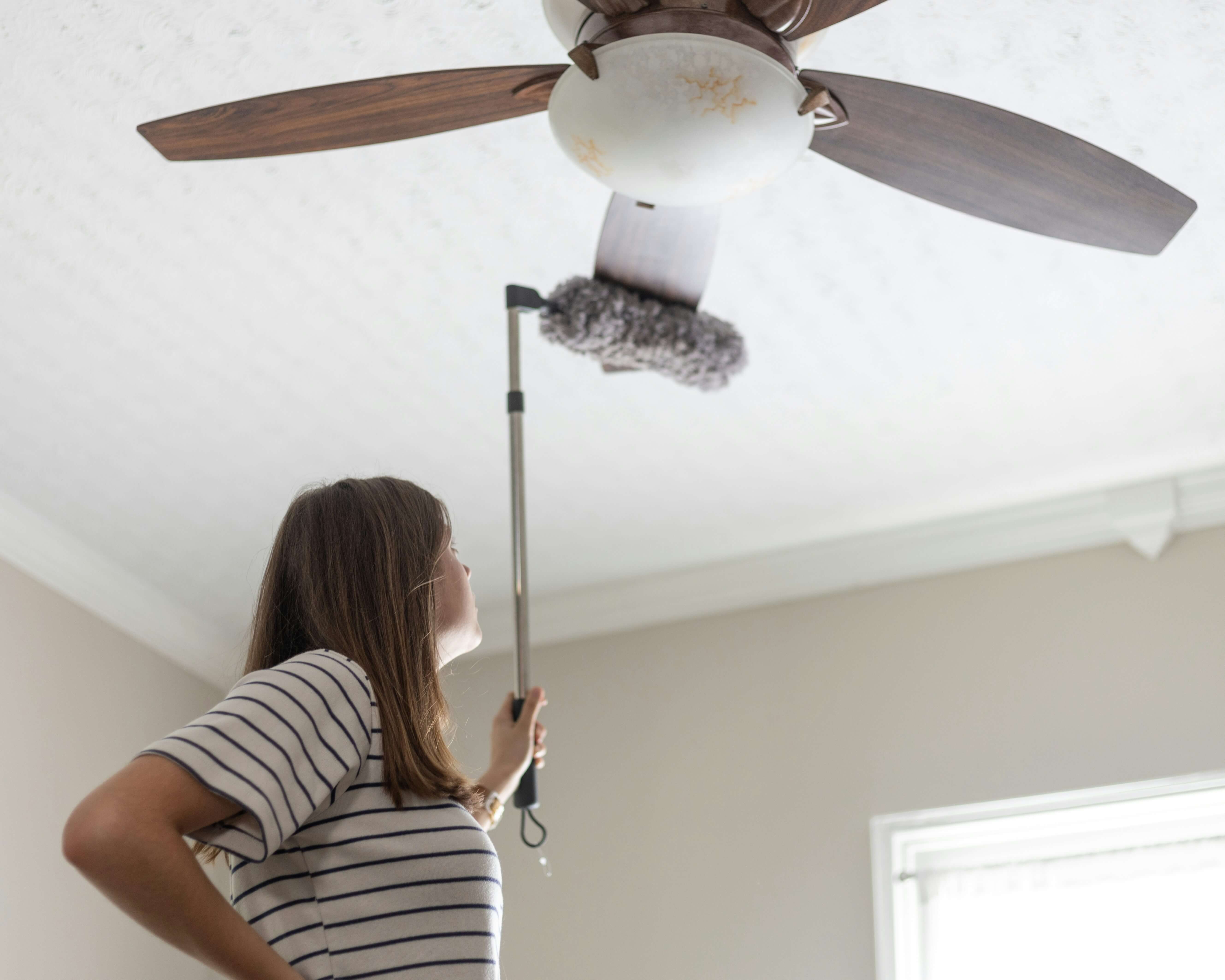
Ceiling fans that haven’t run for months collect an impressive layer of dust. Turn the fan off, then slide an old pillowcase over each blade and pull it back toward you. The dust ends up inside the pillowcase instead of in your hair and your coffee. [new joke] Shake the pillowcase out outside and toss it in the wash.
Then find the little switch on the fan’s motor housing and set the blades to spin counterclockwise (looking up) for summer. That pushes air down so you feel the breeze.
If the fan is too high to reach from a sturdy step ladder, use an extendable fan duster. Don’t improvise an acrobatic cleaning method involving stacked furniture. The dust can wait.
4. Check the AC Filter and Vents
Do this before the first genuinely hot day.
• Filter: Pull it out and hold it up to the light. If you can’t see light through it, replace it. ENERGY STAR says to check it every month and change it at least every three months.
• Vents and registers: Vacuum them with the brush attachment.
• Outdoor unit: Clear leaves, grass clippings and weeds, and keep about two feet of open space around it.
• Test run: Turn the AC on during a mild day. If it isn’t cooling, call for service now, while the repair people still have openings.
Air-conditioning repair becomes considerably less entertaining when everyone in the house is already sweating.
For more seasonal upkeep, visit our Home Maintenance Guide.
5. Give the Refrigerator a Pre-Summer Reset
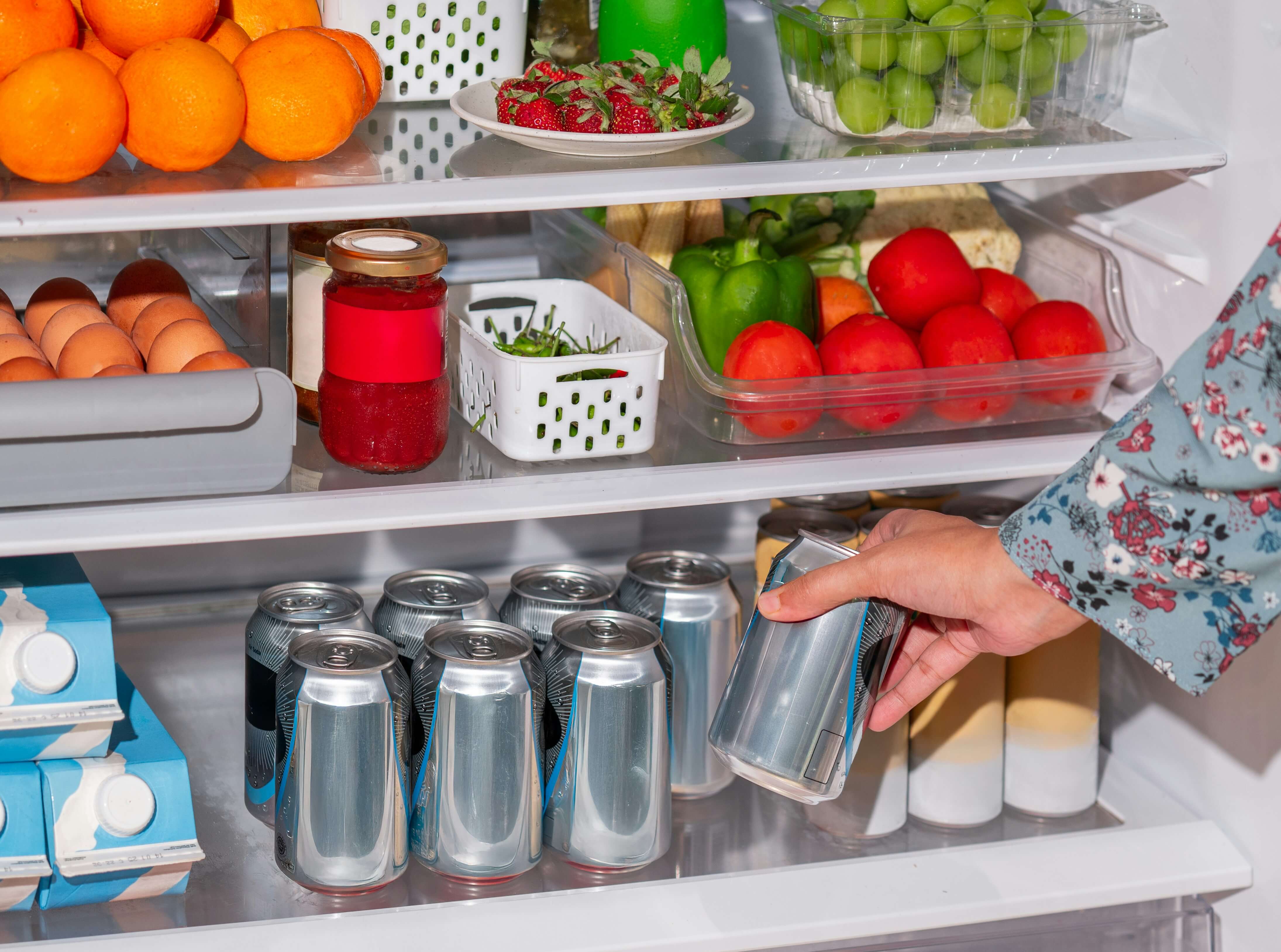
Summer food takes up space. Drinks take up more space. And somehow three jars with half an inch of condiment are still taking up an entire shelf.
• Toss spoiled food, expired products and leftovers nobody is going to eat. Most leftovers are good for three to four days.
• Wipe sticky shelves and drawers with warm, soapy water.
• Check the temperature: 40°F or below in the fridge.
• Put the things you grab most often front and center.
Don’t attempt to create a refrigerator worthy of social media. Create one where you can find the mustard. Give these easy Refrigerator Maintenance Tips a go to get you started.
6. Make Room in the Freezer
Pull everything out and take inventory. Food kept at 0°F stays safe indefinitely, but it doesn’t stay good. Toss anything freezer-burned and anything you can’t identify without thawing it. That’s a science project, not dinner.
Group similar foods, put the oldest in front, and label new items with the date. If you’ll be freezing summer meals, ice packs or popsicles, make room now.
A freezer packed completely solid isn’t organized simply because the door still closes.
7. Clean the Grill
If grilling season is beginning, clean and check the grill before its first big cookout.
• Burn it off: Heat the grill for 15 minutes, then scrub the grates with a grill brush.
• Check for bristles: Wire bristles can break off and end up in food. Wipe the grates with a damp paper towel afterward and look for strays, or switch to a bristle-free brush.
• Empty the grease: Scrape out the grease tray and drip pan. Built-up grease is what starts grill fires.
• Test for gas leaks: On a gas grill, brush soapy water on the hose and connections, then turn on the tank. Bubbles mean a leak. Turn the gas off and get it repaired before you use it.
• Check the location: Keep the grill well away from the house and deck railings, and out from under eaves and overhanging branches.
This is one household item where “I’ll just see if it works” is not the preferred maintenance strategy. See How to Clean A Grill for more tips.
8. Reset the Patio or Outdoor Living Area
May is when outdoor spaces start working as rooms again.
Sweep the patio, porch or deck and hose it down. Wash plastic, resin, metal and glass tables and chairs with warm water and dish soap, then rinse. For wood, wicker and wrought iron, see our patio furniture cleaning guide. Put away anything that doesn’t belong out there.
Then resist the urge to decorate every available surface. Outdoor clutter is still clutter. It just has better ventilation.
For more outdoor ideas, visit our Backyard & Garden Guide.
9. Clean Outdoor Cushions and Umbrellas
Brush or vacuum off the loose dirt first. Then:
• Regular cleaning: Mix 1/4 cup of mild dish soap into a gallon of lukewarm water. Scrub with a soft brush, rinse well, and stand cushions on their edges to dry so the water drains out.
• Mildew: For solution-dyed acrylic fabrics such as Sunbrella, Sunbrella’s recipe is 1 cup of bleach and 1/4 cup of mild soap per gallon of water. Spray it on, let it sit 15 minutes, scrub, and rinse thoroughly. Not sure what your cushions are made of? Check the tag, or test a hidden spot first.
• Umbrellas: Open them, brush them off, and clean them with the same soap solution. Let them dry fully open before closing.
If something spent winter outdoors and has clearly lost the battle, May is a good time to acknowledge reality.
10. Give the Garage a Summer Reset
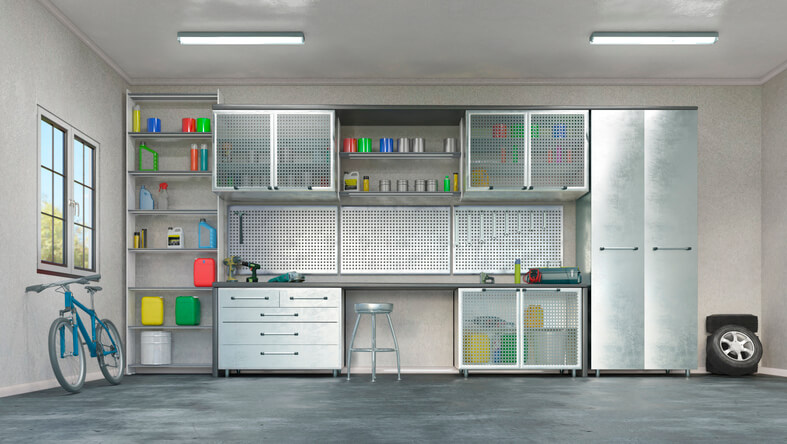
You don’t need to organize the entire garage. You need to make the summer stuff reachable.
Spend 30 minutes on:
• Bikes
• Sports equipment
• Gardening tools
• Beach gear
• Coolers
• Outdoor toys
• Car-washing supplies
• Empty boxes
• Obvious trash
Move snow shovels and winter gear to the back. Clear enough floor space to get to the things you actually use without climbing over anything.
If the garage needs more serious attention, use our Garage Cleaning & Organizing Guide.
11. Check Summer Gear Before You Need It
This small job prevents a surprising amount of irritation later. Gather your family’s summer equipment:
• Beach towels
• Coolers
• Picnic supplies
• Pool equipment
• Sports gear
• Camping equipment
• Reusable water bottles
• Outdoor toys
Clean what needs cleaning. Toss what’s broken. Make a list of what needs replacing.
Discovering the beach umbrella is broken at the beach is poor inventory management.
12. Wash and Store Heavy Bedding
Once the nights warm up, wash winter blankets and comforters before you put them away.
• Check the care tag. Many comforters fit in a large-capacity washer. A bulky or down comforter may need a laundromat’s big front-loader.
• Dry on low with a few dryer balls or clean tennis balls, and keep going until it’s dry all the way through. Any dampness will turn into mildew in storage.
• Store bedding in breathable cotton bags or bins, not sealed plastic bags, which trap moisture.
Before putting it away, ask whether you actually use it all. If you own enough spare blankets to accommodate an unexpected busload of overnight guests, this may be an opportunity to reduce the collection.
13. Give the Laundry Area a Quick Clean
Summer brings more towels, outdoor clothes and sweaty everything. Reset the laundry area before the workload increases:
• Wipe down the tops of the machines and the shelves.
• Recycle empty containers.
• Clean up detergent drips.
• Clean the dryer lint screen. (Do this after every load, not just in May.)
• Run your washer’s cleaning cycle with a washer-cleaning tablet or 1 cup of bleach. Aim for once a month.
• Check supplies.
• Sweep or vacuum the floor, including behind the machines if you can reach.
If it’s been more than a year since the dryer vent was cleaned, schedule it. Lint buildup is the leading cause of dryer fires.
For laundry care and stain help, visit our Laundry & Stain Removal Guide.
14. Clear the Entryway for Summer
Winter and summer entryways have different jobs. Move heavy coats, boots and winter accessories out of the prime spots once you no longer need them.
Make room for what actually goes in and out of the house now:
• Sunglasses
• Hats
• Sports bags
• Reusable shopping bags
• Dog-walking gear
• Summer shoes
• Sunscreen
You don’t need a custom-built entryway system. You need a place where people can find their things and, ideally, put them back.
15. Get One Load of Clutter Out of the House
Spring cleaning probably uncovered things you no longer want. May is the month to make sure they actually leave.
Fill one bag or box with obvious donations. If you already have donation bags sitting in the garage, closet or trunk, even better. Finish the job. Donate them.
Decluttering isn’t complete when you move unwanted belongings into a different container inside your home. They have to exit the building.
For help deciding what stays and what goes, visit our Decluttering Guide.
Two safety rules for May cleaning: Never mix bleach with vinegar, ammonia or other cleaners; it creates toxic fumes. And if you smell gas at the grill, turn off the tank, step away, and call the fire department if the smell doesn’t stop.
Your Quick May Cleaning Checklist
Save or print this version:
• ☐ Finish one lingering spring cleaning job
• ☐ Clean window screens
• ☐ Clean ceiling fans and set them to counterclockwise
• ☐ Check the AC filter, vents and outdoor unit
• ☐ Reset the refrigerator
• ☐ Organize the freezer
• ☐ Clean the grill and test for gas leaks
• ☐ Reset the patio or porch
• ☐ Clean outdoor cushions and umbrellas
• ☐ Spend 30 minutes resetting the garage
• ☐ Check summer gear
• ☐ Wash and store heavy bedding
• ☐ Clean the laundry area
• ☐ Reset the entryway for summer
• ☐ Get one load of clutter out of the house
If You Only Have One Hour
Skip the big projects.
|
Time 15 minutes 15 minutes 15 minutes 15 minutes |
Job Clean ceiling fans and vacuum the vents Clear old food out of the fridge and freezer Sweep and reset the patio Fill one donation bag and put it in the car |
That’s a productive hour. And you still have your afternoon.
What Should You Clean in May?
If you only tackle five, make it these:
1. Clean the ceiling fans and check the AC.
2. Clean out the fridge and freezer.
3. Get the patio usable.
4. Make the summer gear in the garage reachable.
5. Wash and store the winter bedding.
Those jobs do something more useful than repeating April’s list: they get your home ready for how you’re about to use it.
Don't Spend May Re-Cleaning April
There’s a trap in seasonal cleaning lists. Every month starts telling you to clean the kitchen, bathrooms, floors and bedrooms again.
Of course those rooms still need cleaning. That’s what your weekly cleaning routine is for. A monthly checklist covers what your weekly routine doesn’t. In May, that’s the switch to summer: fans, screens, outdoor spaces, seasonal bedding, summer equipment and the garage.
May Is About Getting Ready to Live Differently
Summer changes the house’s rhythm. More doors opening. More people outside. More towels. More cold drinks. More dirt traveling back inside with everybody.
May is your chance to get ready for that before it happens. Then stop cleaning.
The whole point of getting the house ready for summer is to eventually go enjoy summer.
May Cleaning FAQ
What should I clean in May?
Focus on summer prep: ceiling fans, window screens, the AC filter, the fridge and freezer, the grill, the patio and outdoor cushions, the garage, and heavy winter bedding. Your regular weekly cleaning covers the rest.
Which way should a ceiling fan spin in summer?
Counterclockwise, when you’re looking up at it. That pushes air down so you feel a cooling breeze. In winter, switch it to clockwise on low.
How often should I change my AC filter?
ENERGY STAR recommends checking it every month and changing it at least every three months. If it looks dirty when you check, change it sooner.
How do I get mildew off outdoor cushions?
For Sunbrella and other solution-dyed acrylic fabrics, mix 1 cup of bleach and 1/4 cup of mild soap in a gallon of water, let it sit 15 minutes, scrub and rinse well. For other fabrics, check the care tag and test a hidden spot first.
How long can food stay in the freezer?
Food kept at 0°F stays safe indefinitely, but quality drops over time. Freezer-burned food is safe to eat, but it won’t taste great, so May is a good time to clear it out. See Frozen Food Storage Tips for a detailed guide.
Do I need to spring clean again in May?
No. Finish one leftover spring job if it’s bugging you, then spend your energy on summer prep instead.
Keep Going
Get the rest of the house ready for summer with these related guides:
- April Cleaning Checklist: Missed last month? Start with April’s 15 spring cleaning jobs.
- June Cleaning Checklist: Get ready for summer.
- How to Wash Towels: Keep beach and pool towels fluffy and stink-free all summer.
- Washing Machine Cleaning Tips: Get rid of washer smells before the summer laundry pile hits.
- How to Organize Clothes: Swap winter clothes for summer and clear out what nobody wears.
- Car Organizing Tips: Get the car ready for road trips and the summer sports carpool.
- Get Windows Clean for Less Cash: Streak-free windows to go with your clean screens.
- Cleaning Lighting Fixtures: Dust and dead bugs out of light fixtures, inside and out.
- Easy Kitchen Cleaning Tips: Quick ways to keep the kitchen clean when everyone is home all summer.
Too Much Stuff? Not Enough Space? Clear the clutter, let go of the guilt, and reclaim your home, one room at a time. Discover Room by Room by Tara Aronson.
As an Amazon Associate, I earn from qualifying purchases.
- Clean Home
- Clean
- May Cleaning Checklist