House Cleaning Schedule: Daily, Weekly, Monthly & Yearly

A realistic house cleaning schedule you can actually keep. That’s the goal.
A house cleaning schedule is supposed to make life easier. Unfortunately, many of them seem to assume you have no job, no family, no hobbies and a deep personal commitment to polishing baseboards every Thursday.
You don’t need that kind of schedule. You need one that tells you:
- What actually needs attention every day
- What can wait until once a week
- What only needs doing monthly
- What you can safely ignore until the season changes or it starts looking suspicious
The point is not to keep your house in a permanent state of readiness for a magazine photographer. It’s to keep ordinary mess from turning into a much bigger job.
In just about every section of this website, I’ve talked about which chores kids can do and how old they need to be to do them. This page is about which chores need doing, and when. Here’s a realistic way to do it.
How often should you clean everything? Daily: dishes, kitchen counters, a quick bathroom wipe and a 10- to 15-minute pickup. Weekly: bathrooms, dusting, vacuuming, mopping and sheets. Monthly: ceiling fans, baseboards, cabinet fronts, trash cans and the dishwasher filter. Seasonally: windows, curtains, the oven and the fridge. Yearly: carpets, upholstery, wood furniture and the dryer vent.
Your House Cleaning Schedule at a Glance
How oftenEvery day Every week Every month Seasonally Once a year |
What to cleanDishes, kitchen counters and sink, spills, hang towels, beds, a 10- to 15-minute reset Bathrooms, dusting, vacuuming, mopping, sheets and towels, the stovetop, a fridge check, trash and recycling Ceiling fans and light fixtures, baseboards and doors, cabinet fronts, blinds and sills, trash cans, the dishwasher filter, the range hood filter, the shower curtain, the washing machine, upholstery Windows and screens, curtains, the oven, the fridge and freezer, the pantry, the mattress, closets, walls, behind appliances, outdoor furniture Carpets and upholstery, deep floor care, wood furniture, top-to-bottom dusting, bed skirts, the medicine cabinet, the dryer vent |
That’s it. Not every surface needs cleaning every day. Not every room needs the same amount of attention. And you don’t need to spend an entire day each week “cleaning the house.”
Daily Cleaning Tasks
Daily cleaning should be short. You’re maintaining the house, not deep-cleaning it. Focus on the things that get messy fast or make more work if you ignore them.
Kitchen
- Wash the dishes or load the dishwasher.
- Wipe spills off the counters.
- Rinse and wipe the sink.
- Put food away.
- Sweep up the crumbs under the table.
- Take out the trash when it’s full.
You don’t need to scrub every cabinet door after dinner. You just want the kitchen ready for the next meal.
Bathroom
- Wipe up toothpaste and water splashes.
- Hang the towels so they dry.
- Put toiletries away.
- Give the toilet a quick swish if the bathroom gets heavy use.
- Get dirty clothes off the floor.
A thirty-second wipe now can save you a much uglier job later.
Bedrooms
- Make the bed, if you like a made bed.
- Put dirty clothes in the hamper.
- Put obvious clutter back where it belongs.
- Clear the floor enough that tomorrow doesn’t begin with an obstacle course.
That’s plenty.
Living Areas
- Take cups and dishes back to the kitchen.
- Put away obvious clutter.
- Straighten the cushions and throws.
- Reset the things that tend to spread.
Again, this isn’t “clean the living room.” It’s “stop today’s mess from becoming part of the furniture.”
The 10- to 15-Minute Daily Reset
If you do nothing else, try a short whole-house reset once a day. Set a timer for 10 to 15 minutes and move quickly through the main living areas:
- Put stray things away.
- Gather the trash.
- Deal with the dishes.
- Clear the counters.
- Put clothes in hampers.
- Return shoes, bags and other daily-use things to their homes.
Few people will ever notice dust on top of the refrigerator, but they’ll immediately notice things strewn around the living room. If you only have a minute, choose put-away duty over cleaning.
Don’t start deep-cleaning anything. The reset has one job: make tomorrow easier. When the timer ends, stop. You are maintaining the house, not entering a cleaning endurance event.
Here’s how the kids can help: daily chores for kids by age.
Weekly Cleaning Tasks
Once a week, handle the jobs that need more than a quick reset:
- Clean the bathrooms: toilets, sinks, counters, mirrors, the tub or shower, and the floor.
- Change the sheets and swap the towels.
- Dust the rooms you use most.
- Vacuum carpets and rugs.
- Mop the hard floors.
- Give the kitchen a real clean: counters, stovetop, appliance fronts and the sink.
- Check the fridge for old food.
- Empty the trash and recycling.
- Clear the clutter hotspots.
You can do these jobs in one block or spread them across the week. The house does not care.
Spread it out: One easy version is bathrooms Monday, bedrooms and sheets Tuesday, living areas Wednesday, kitchen Thursday, and floors and catch-up Friday. For the full room-by-room list and day-by-day plan, see our Weekly Cleaning Checklist.
Weekend: optional. Do nothing. Or tackle one occasional job if you feel like it. Saturday doesn’t have to be Cleaning Day just because generations of households were apparently issued buckets at sunrise.
Prefer to Clean Everything at Once?
That works too. Some people would rather spend an hour or two cleaning once a week and forget about it the rest of the time. If that’s you, use a consistent order:
- Declutter first. Pick up anything that doesn’t belong in the room. Cleaning around clutter wastes time.
- Start with the cleanest rooms. Do the bedrooms, living room and dining room first, then the kitchen and bathrooms. It’s the way your mom taught you to do dishes: glasses first, greasy pans last, so you aren’t spreading the grime around.
- Go around each room clockwise, top to bottom. Dust the higher surfaces before the floors, so you aren’t knocking dirt onto a floor you already cleaned.
- Vacuum and mop last. Finish with the floors so you don’t clean the same area twice.
Here’s how the kids can help: kitchen chores by age, bedroom chores by age and bathroom chores by age.
Daily vs. Weekly Cleaning
One of the easiest ways to make cleaning take too long is to do weekly work every day. You probably don’t need to:
- Scrub the shower daily
- Mop every floor daily
- Dust the whole house daily
- Vacuum every room daily
- Disinfect every surface every day
The dog’s favorite rug and the entryway in mud season may need more. But cleaning frequency should match actual need. A house cleaning schedule is a guide. It is not a court order.
Monthly Cleaning Tasks
Monthly jobs are the ones that are easy to forget because nothing terrible happens when you skip them once. Eventually, however, they make their presence known.
Rotate through jobs such as:
- Dust the ceiling fans and light fixtures.
- Wipe the doors, door frames and light switches.
- Clean the baseboards in high-use rooms.
- Vacuum under the furniture you can easily move.
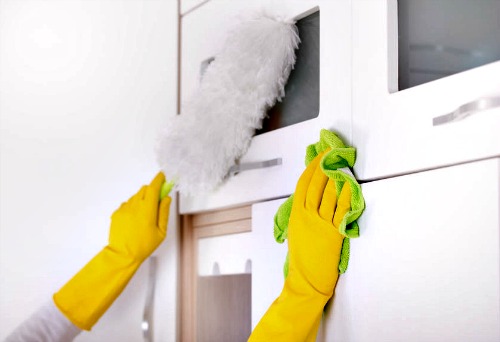
- Wipe the cabinet fronts, especially around the handles.
- Clean the windowsills and dust the blinds.
- Wash the trash cans with hot, soapy water.
- Vacuum the upholstered furniture and the curtains.
- Clean the dishwasher filter. Most twist out of the bottom of the tub; rinse it and scrub off the gunk with an old toothbrush.
- Degrease the range hood filter by soaking it in very hot water with dish soap and a little baking soda.
- Wash the shower curtain liner in the washer on warm with a couple of towels. The towels scrub it as it tumbles.
- Run the washing machine’s cleaning cycle with a washer tablet or 1 cup of bleach.
- Wipe out the microwave and clean behind the toaster and coffee maker.
- Check the fridge and pantry for expired food. Here’s how to decipher those dates.
- Knock down the cobwebs.
You don’t need to do all of these on the first Saturday of every month.
The Monthly Rotation Method
Instead of one giant monthly cleaning day, add one extra job to each week:
WeekWeek 1 Week 2 Week 3 Week 4 |
Extra jobCeiling fans and light fixtures Baseboards and doors The dishwasher filter, microwave and other appliance interiors Blinds and windowsills |
Next month, rotate in different jobs. The house eventually gets deeper attention without another cleaning marathon.
This is much more pleasant than waking up one morning and announcing: “Today I shall clean everything I’ve ignored since February.”
Here’s how the kids can help: monthly chores by age.
Seasonal Cleaning Tasks
Some jobs only need attention a few times a year, usually in spring and fall:
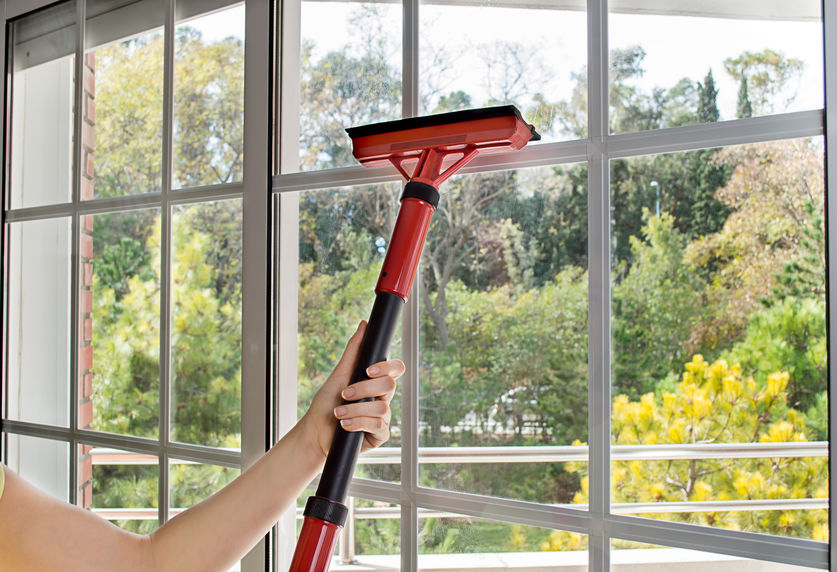
- Wash the windows and screens.
- Wash the curtains, or have lined drapes dry-cleaned. See washing curtains.
- Clean the oven, ideally before the holiday cooking, not after.
- Deep-clean the fridge and freezer, and clean the fridge coils.
- Clean out the pantry shelves.
- Rotate the mattress head to foot, and vacuum it.
- Clean under large furniture, and behind the fridge and stove if they roll out easily.
- Wash fingerprints and scuffs off the walls in high-traffic areas.
- Swap seasonal clothes and bedding, and review the closets.
- Take houseplants outside for a gentle shower. See keeping house plants healthy.
- Spring: Clean the patio furniture.
- Fall: Clean the fireplace before the first fire.
- Declutter the storage areas.
Seasonal cleaning is also a good time to notice maintenance problems. Cleaning sometimes reveals leaks, mold or moisture, damaged grout, pests, cracks and loose fixtures.
Those aren’t really cleaning problems. They’re maintenance problems. Handle them with our Preventative Home Maintenance Checklist.
Here’s how the kids can help: seasonal chores by age.
Yearly Cleaning Tasks
A few jobs only come around once a year:
- Deep-clean the carpets and upholstery. Professional carpet cleaning every 12 to 18 months is the usual recommendation, and many carpet warranties require it. See our tips for hiring a carpet cleaning service.
- Give hard floors a deep clean. Scrub the grout, and strip and re-wax floors that use wax. Recoat wood floors only when the finish looks dull and worn, not on a schedule.
- Wash and polish the wood furniture.
- Dust top to bottom in every room: ceiling corners, crown molding, the tops of door frames and cabinets, and the crevices you usually skip.
- Wash or dry-clean the bed skirts.
- Clean out the medicine cabinet, and take expired medicines to a pharmacy drop-off kiosk.
- Clean the dryer vent from the back of the dryer all the way outside. Lint buildup is the leading cause of dryer fires.
Furnace filters, gutters, smoke alarms and washer hoses are home maintenance jobs. You’ll find them on the Preventative Home Maintenance Checklist. Stock up on furnace filters while you’re thinking of it.
Here are some yearly chores kids can help with.
What Should You Deep-Clean?
“Deep cleaning” sounds as though every inch of the house needs an annual ceremonial scrubbing. It doesn’t. Deep-clean the things ordinary cleaning doesn’t fully handle:
- Greasy kitchen buildup
- Soap scum
- Grimy grout
- Upholstery and carpets
- Inside the cabinets
- Behind the appliances
- Under the furniture
- Neglected storage areas
If an area is already clean, you do not earn extra points for cleaning it again. Spend the time where it matters.
Room-by-Room Cleaning Frequency
RoomKitchen Bathrooms Bedrooms Living room Dining room Entryway Home office |
How oftenA little every day, a thorough clean weekly Weekly, with quick touch-ups in between; the family bathroom may need more than the guest bath Weekly dusting, floors and sheets Weekly dusting and floors, plus daily clutter control Depends on use (see below) Sweep or vacuum a couple of times a week; control shoes, coats and bags daily Weekly dusting with a dry microfiber cloth on electronics; keep paper under control |
If you eat in the dining room every night, clean it regularly. If it hosts Thanksgiving and your unopened mail, the bigger problem may be clutter.
Adjusting the Schedule for Kids, Pets and Allergies
Homes With Kids
Kids change the schedule. Mostly by generating more things to clean. Crumbs. Clothes. Shoes. Toys. Unidentified sticky substances.
Focus on containment rather than perfection:
- Daily: toys back in their bins, dirty clothes in hampers, dishes returned, spills wiped, high-traffic areas reset.
- Weekly: floors, sheets, the bathroom, dusting, and a bedroom and toy reset.
Kids who are old enough should help. Preschoolers can put toys in bins and carry laundry. School-age kids can wipe counters with a damp cloth, set and clear the table, and put their own things away. The person creating the mess need not be exempt from civilization’s cleanup phase.
Homes With Pets
Pets add a few jobs:
- Vacuum the high-use areas more often, at least twice a week with shedding pets.
- Wash food and water bowls daily in hot, soapy water.
- Scoop the litter box every day and change it completely once a week.
- Wash pet bedding weekly.
- Clean up accidents right away with an enzyme cleaner, which breaks down the odor so pets don’t come back to the same spot.
A household with two shedding dogs will not have the same vacuum schedule as a household with one goldfish. Adapt accordingly.
Homes With Allergies
If someone in your house has allergies or asthma, a few changes make a big difference:
- Vacuum twice a week with a HEPA-filter vacuum.
- Wash sheets and pillowcases weekly in hot water, at least 130°F, to kill dust mites.
- Dust with a damp cloth so the dust doesn’t go airborne.
- Change the HVAC filter more often.
- Keep pets out of the bedroom.
If the allergies are serious, ask the doctor or allergist what to focus on.
Get Everyone Involved
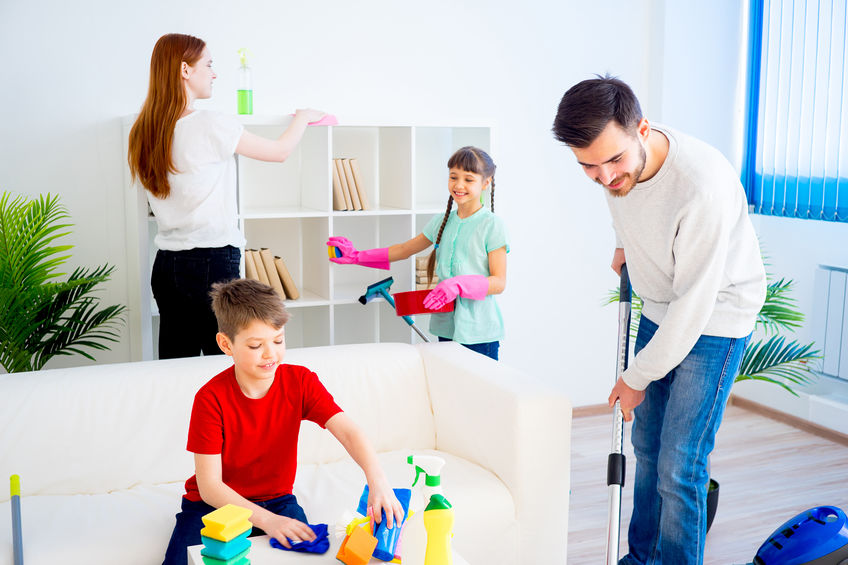
If several people live in the home, they can share the work. Divide jobs by age, ability and availability. Kids can put away toys, carry laundry, wipe counters, help set and clear the table, and put their own things away. Adults can split the bigger jobs.
The schedule works better when one person is not appointed Household Cleaning Department for everyone else.
And if the results aren’t perfect, well, that’s just the way things are. Let them be.
House Cleaning Schedule FAQ
What should be on a house cleaning schedule?
Daily jobs (dishes, counters, a quick bathroom wipe, a 10- to 15-minute pickup), weekly jobs (bathrooms, dusting, vacuuming, mopping, sheets), monthly jobs (ceiling fans, baseboards, cabinet fronts, trash cans, the dishwasher filter), seasonal jobs (windows, curtains, the oven, the fridge) and yearly jobs (carpets, upholstery, wood furniture, the dryer vent).
How often should you deep-clean your house?
You don’t have to do it all at once. Rotate one deeper job into each week, do the seasonal jobs in spring and fall, and handle carpets and upholstery every 12 to 18 months.
What should I clean every day?
Dishes, kitchen counters and the sink, spills, and a quick bathroom wipe. Then do a 10- to 15-minute pickup of the main living areas.
How often should I change my sheets?
Once a week. If someone has allergies, wash them in hot water, at least 130°F.
How do I make a cleaning schedule I’ll actually stick to?
Keep the daily jobs short, pick one weekly cleaning rhythm (one day or a little each day), rotate one monthly job into each week, and move things around when your week changes. Get everyone in the house to help.
What if I’ve fallen way behind on cleaning?
Start with dishes, trash, laundry, the bathroom, the kitchen counters and the floors. Get the house working again first, then go back to your regular schedule. Don’t try to catch up on every missed deep-cleaning job.
Want an Even Simpler Daily Routine?
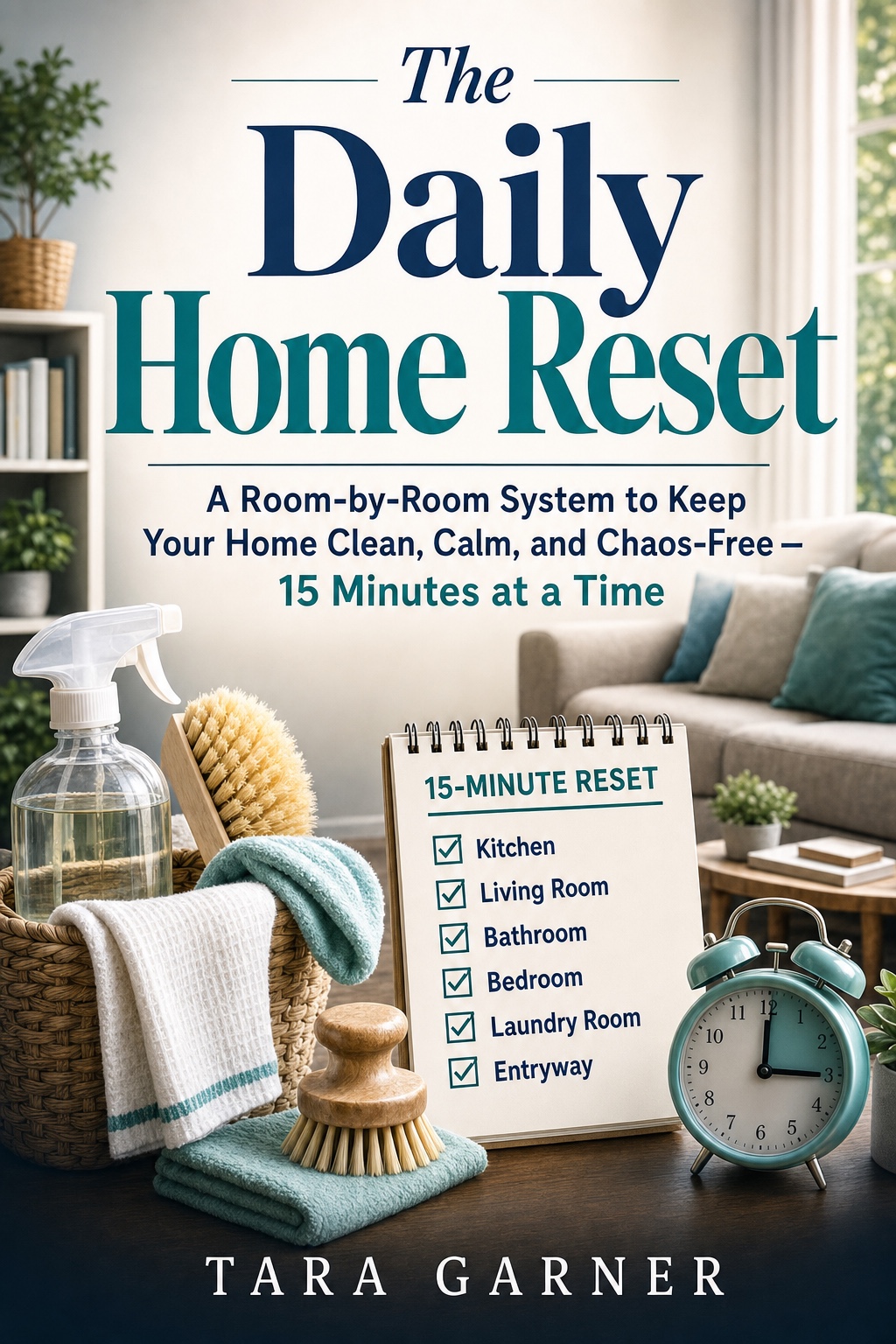
The Daily Home Reset is built around short, manageable daily routines that keep your home under control without sacrificing your weekends to cleaning.
Learn more about The Daily Home Reset →
Keep Going
Build a cleaning routine that actually sticks with these related guides:
- Weekly Cleaning Checklist: The room-by-room weekly list and day-by-day plan.
- Speed Cleaning Your Home: A 30-minute plan for when time is short.
- Preventative Home Maintenance Checklist: The home systems jobs that keep the house safe.
- 7 Resolutions for a Cleaner New Year: Start the year with cleaning habits that stick.
- Easy Kitchen Cleaning Tips: Shortcuts for the room that gets dirty fastest.
- Easy Bathroom Cleaning Tips: Speed-clean the bathroom in less time.
- Chores for Kids by Age: Share the work at every age.
- Laundry & Stain Removal: Keep the laundry moving, and get the stains out.
- Preventative Home Maintenance tips.
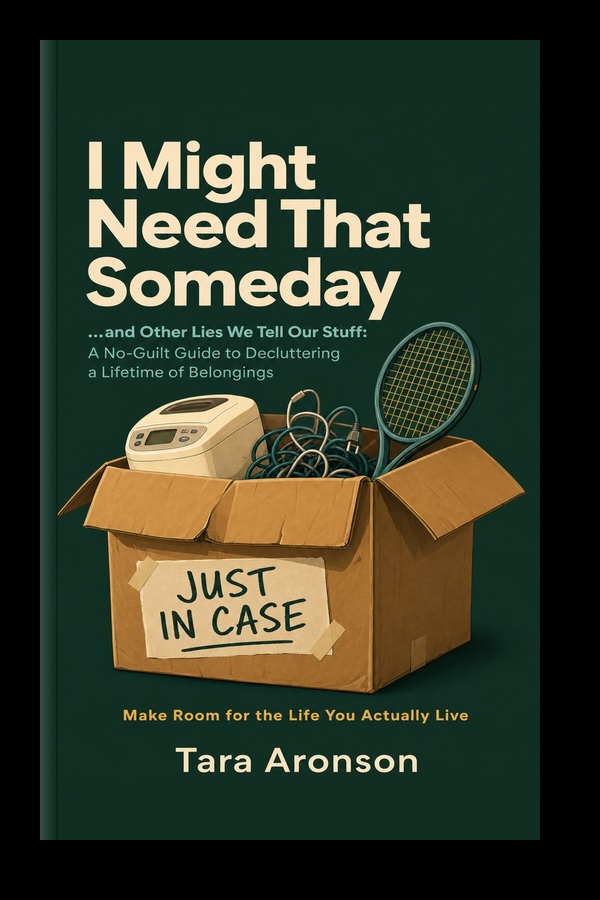
Too Much Stuff? Not Enough Space? Clear the clutter, let go of the guilt, and reclaim your home, one room at a time. Discover I Might Need That Someday by Tara Aronson.
- Clean Home
- House Cleaning
- A House Cleaning Schedule That Works
Free Printable
Notes on Keeping House
Sign up and get my 15-Minute Daily Reset Checklist. One timer, five zones, and a house that stays under control.
Send My ChecklistNo spam, ever. Just smart, funny tips for keeping house from Tara Aronson.