How to Organize Your Home Room by Room

An organized home isn't one where everything is hidden behind matching baskets. It's one where you can find what you need, and put it back, without a search party. And opening a closet shouldn't qualify as an act of courage.
Here's the method: declutter first, group like with like, give everything a home and keep your systems simple. You can do it without requiring minimalism, a dumpster, or an emotional farewell ceremony for every serving bowl.
Don't try to organize the whole house this weekend. Start with the one room, or the one pile, that's making your life hardest.
Jump to:
- Declutter First
- The Basic Organizing Rules
- Kitchen
- Bathroom
- Bedroom and Closet
- Living Room
- Entryway
- Home Office and Paperwork
- Kids' Rooms
- Garage
- Storage Areas and Small Homes
- How to Stay Organized
- Common Mistakes
- Home Organizing FAQ
Before You Organize, Declutter
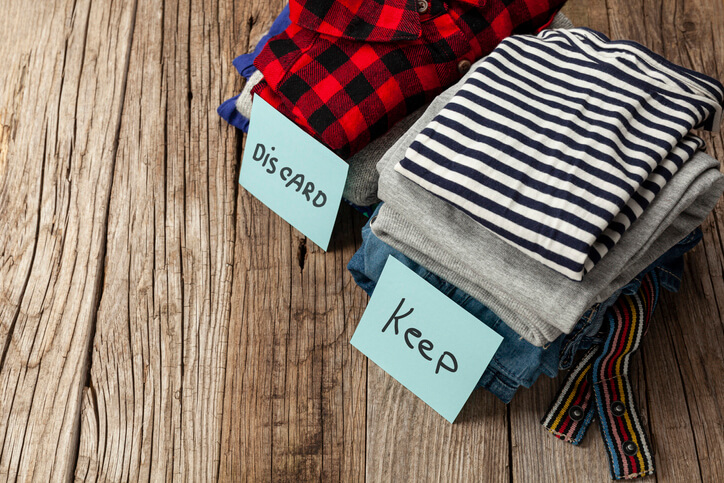
This is the step everybody wants to skip, and it's the one that matters most. Buying beautiful new organizers for an overflowing closet just means you're storing clutter more attractively.
Sort everything into four piles:
- Keep
- Donate
- Sell
- Toss
And don't create a fifth category called I'll Deal With This Later.
7 Tips for Decluttering and Organizing Your Home →
The Basic Rules for Organizing Your Home
- Store things where you use them. Coffee mugs go by the coffee maker, not across the kitchen.
- Group like with like. All the batteries in one place. All the tape in one place. (One place. Not the junk drawer, the garage and the car.)
- Keep what you use most within easy reach. The turkey platter you use once a year doesn't get the prime shelf next to the stove.
- Give everything a home. If something keeps landing on the counter, it doesn't have a home yet.
- Leave some empty space. A drawer stuffed to the top is a drawer nobody puts anything back into.
Organize Your Home Room by Room
Once you've decluttered, tackle the house one room at a time.
Organize the Kitchen
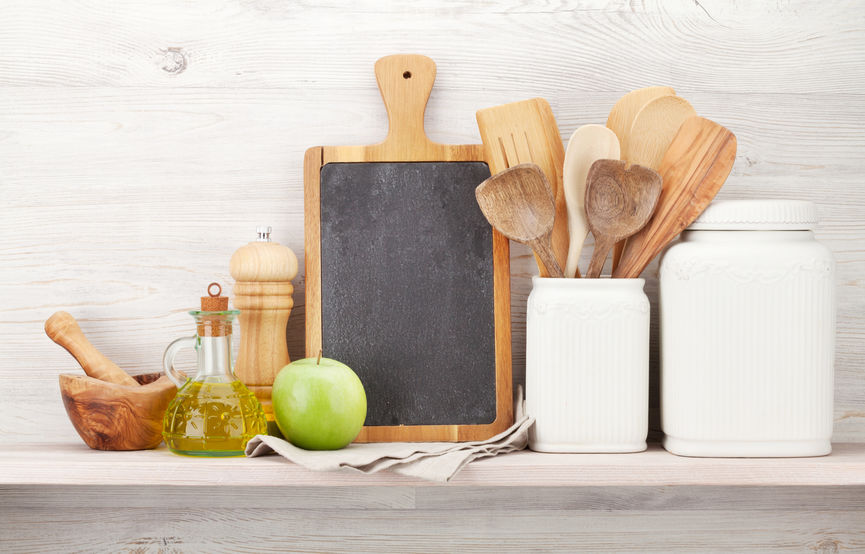
First, get rid of duplicates, expired food and gadgets you haven't touched since you got them. Then organize by activity:
• Everyday dishes near the dishwasher or drying rack
• Pots and pans near the stove
• Cooking utensils near where you prep food
• Baking supplies all together
• Food you eat often within easy reach
• Appliances you rarely use on high shelves or in the pantry
Counters are for working, not storing. Every appliance that lives there permanently takes away space you need to cook.
How to Clean and Organize Your Kitchen →
How to Organize Kitchen Cooking →
Organize the Bathroom
Toss anything expired, anything you tried once and didn't like, and the hotel shampoos you're never going to use. Then group what's left:
• Daily toiletries
• Hair care
• Skin care
• Dental supplies
• First-aid items
• Towels
• Backup products
Keep backups out of the way. One spare tube of toothpaste is smart. Eleven is inventory.
Bathroom Cleaning and Organizing →
Small Bathroom Organizing Ideas →
Organize Your Bedroom
Start with the surfaces you can see: the dresser top, the nightstand and the chair that's become a second closet. Then edit the clothes and whatever's under the bed.
Keep the things you use every day within reach, and make the room easy to reset in five minutes. Your bedroom doesn't need to resemble a hotel.
Organize Your Closet
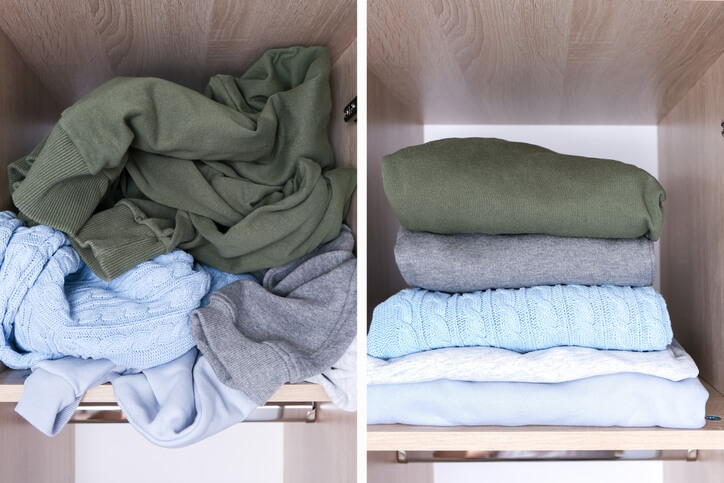
Edit before you buy a single hanger. Take out anything that:
• Doesn't fit
• Is damaged and you'll never actually repair it
• You don't wear
• You don't like
• No longer suits your life
Then group what's left by type, like pants, shirts and dresses, and put your favorites front and center.
Tips for Organizing Your Closet →
Organize the Living Room
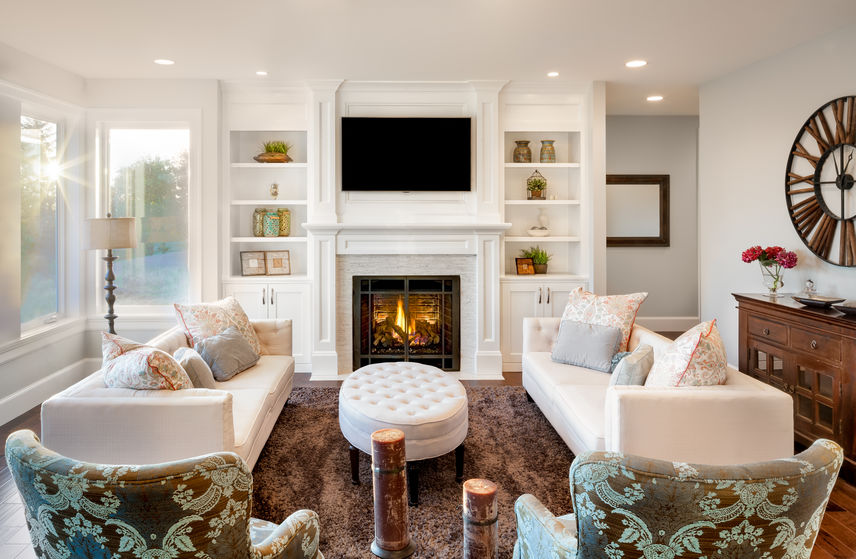
First, send everything that wandered in back to the room it came from. Then give the regulars a home:
• Remote controls
• Chargers
• Books and magazines
• Toys
• Games
• Blankets
• Media equipment
Pick storage that's fast to use. If putting the blanket away means opening a chest, moving three pillows and lifting a lid, the blanket's staying on the couch.
Creating a Clutter-Free Living Room →
Organize the Entryway
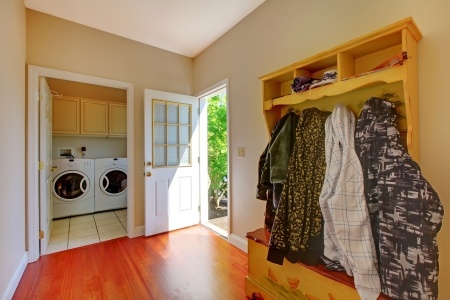
The entryway is where the outside world collides with your house. Give everything that comes through the door an obvious place to land:
• Keys
• Shoes
• Coats
• Backpacks
• Handbags
• Things that need to leave the house again (library books, returns, the casserole dish you borrowed)
Hooks and baskets usually beat hangers and drawers. One step is easier than two. The best system is the one your family will actually use.
Entryway Organizing Tips and Techniques →
Organize the Home Office

Sort paper by what it needs from you:
• Incoming mail and paperwork
• Things that need action
• Records you need to keep
• Office supplies
• Financial documents
• Things to shred or recycle
Keep the desk for working, not for storing. A sticky note on the desk seems harmless. Until there are 400 of them.
Home Office Organization Tips →
How to Organize Financial Records →
Organize Kids' Rooms

Cut down on the volume first. Then make putting things away obvious:
• Low shelves
• Open bins
• Hooks kids can reach
• Picture labels for kids who can't read yet
• Broad categories ("cars," "dolls," "art stuff")
If a five-year-old needs a filing system to put away Lego, the system has gotten ahead of itself.
Simplify Family Life at Home →
Storage Solutions for Kids' Clutter →
Tips for Organizing Kids' Rooms →
How to Organize Household Paperwork
Separate what needs action from what needs storing. Keep bills and anything you have to act on in one spot you check every week. Shred anything with account numbers or your Social Security number, and recycle the rest. Just because you filed it doesn't mean you'll ever need it again.
How to Organize Financial Records →
Organize the Garage
The garage has one big disadvantage: you can close the door on it. Decide what it's for, declutter it one section at a time, get things up on the walls and protect the parking space.
How to Clean, Declutter and Organize Your Garage →
Organizing Tools That Earn Their Space
The right organizer helps a space work harder: drawer dividers, clear bins, a lazy Susan in the corner cabinet, over-the-door racks.
The wrong one is just one more thing to store. Buy organizers after you declutter, once you know exactly what you're organizing.
→ Shop My Cleaning & Organizing Favorites
How to Organize Storage Areas

Before you organize the basement, attic or hall closet, take out:
• Trash
• Broken items
• Empty boxes you don't need
• Obvious donations
• Things you forgot you owned and don't want
• Things you're keeping for a hypothetical future that's unlikely to arrive
Then group what's left, keep the things you actually need near the front and leave a little breathing room.
What About a Storage Unit?
Storage units are great during a move, a renovation or a downsize. They get expensive when they become a way to avoid deciding. Ask yourself when you'll actually use what's in there. And if you can't remember what's in there, you probably already have your answer.
Using Storage Units for Decluttering →
Organizing a Small Home
Small homes don't have room for extras, so:
• Declutter before you add storage.
• Use vertical space: tall shelves, wall hooks and over-the-door racks.
• Choose furniture that does double duty, like a storage ottoman, a bed with drawers or a bench with cubbies.
• Give the best spots to the things you use most.
• Don't buy organizers until you know exactly what needs organizing.
• Keep surfaces as clear as you can.
• Use the backs of doors and the space under beds.
Sometimes the answer isn't more storage. It's less stuff.
How to Keep Your Home Organized
Getting organized is a project. Staying organized is a habit.
Put things away where they belong
If putting something away is a hassle, it won't happen. When something keeps landing in the wrong spot, move its home there.
Deal with incoming clutter
Mail, packages, school papers and freebies come in every single day. Have a plan for them before they hit the counter.
Use the one-in, one-out idea selectively
It works best for things that multiply: clothes, toys, shoes, mugs and kitchen gadgets. A new sweater comes in, an old one goes out.
Reset Problem Areas Regularly
Every house has hot spots: the kitchen counter, the entryway, the chair in the bedroom. Clear them once a week, before they disappear under the pile.
Don't organize things you don't want
If you don't need it, don't use it and don't particularly like it, the perfect container won't help. Let it go.
Common Home Organizing Mistakes
Buying organizers before decluttering
You'll buy bins for things you're about to get rid of.
Creating systems that are too complicated
If it takes more than one step to put something away, it won't get put away.
Organizing for appearances instead of real life
The Instagram pantry with matching jars only works if somebody refills the jars.
Keeping too much "just in case"
Just in case of what? If you can't name the case, let it go.
Filling every available storage space
Empty space isn't wasted space. It's room to breathe.
Where Should You Start Organizing?
Start with whatever makes your day hardest. The front-door pileup that makes everyone late. The kitchen counter you can't cook on. The closet you're afraid to open. Fix one problem, then move to the next.
Decluttering and Organizing Aren't the Same Thing
Decluttering asks, "Should I keep this?" Organizing asks, "Where should this live?" Always answer the first question before the second.
Home Organizing FAQ
Where do I start organizing my home? Start with the one room or spot that causes the most daily frustration, like the entryway, the kitchen counter or a closet. Declutter it, organize it, then move on.
Should I declutter or organize first? Declutter first, always. Otherwise you're just organizing things you don't need.
How do I organize a small home with no storage? Declutter first, then use vertical space, the backs of doors, under-bed storage and furniture that does double duty.
How do I keep my house organized? Give everything a home, put things back right away, have a plan for incoming mail and packages, and reset your clutter hot spots once a week.
What's the one-in, one-out rule? When something new comes in, something old goes out. It works best for things that multiply, like clothes, toys and kitchen gadgets.
An Organized Home Should Make Life Easier
The point of organizing isn't to create perfect drawers.
It's to remove friction from everyday life.
You should be able to find the scissors. You should know where the bills are. Clean laundry should have somewhere to go. The kitchen should be usable without relocating six appliances.
And opening a closet shouldn't qualify as an act of courage.
Start by getting rid of what you don't need. Give what remains a logical home. Make frequently used things easy to reach. Keep your systems simple enough to maintain.
Then stop organizing and go live in your house.
Ready to Tackle the Clutter First?
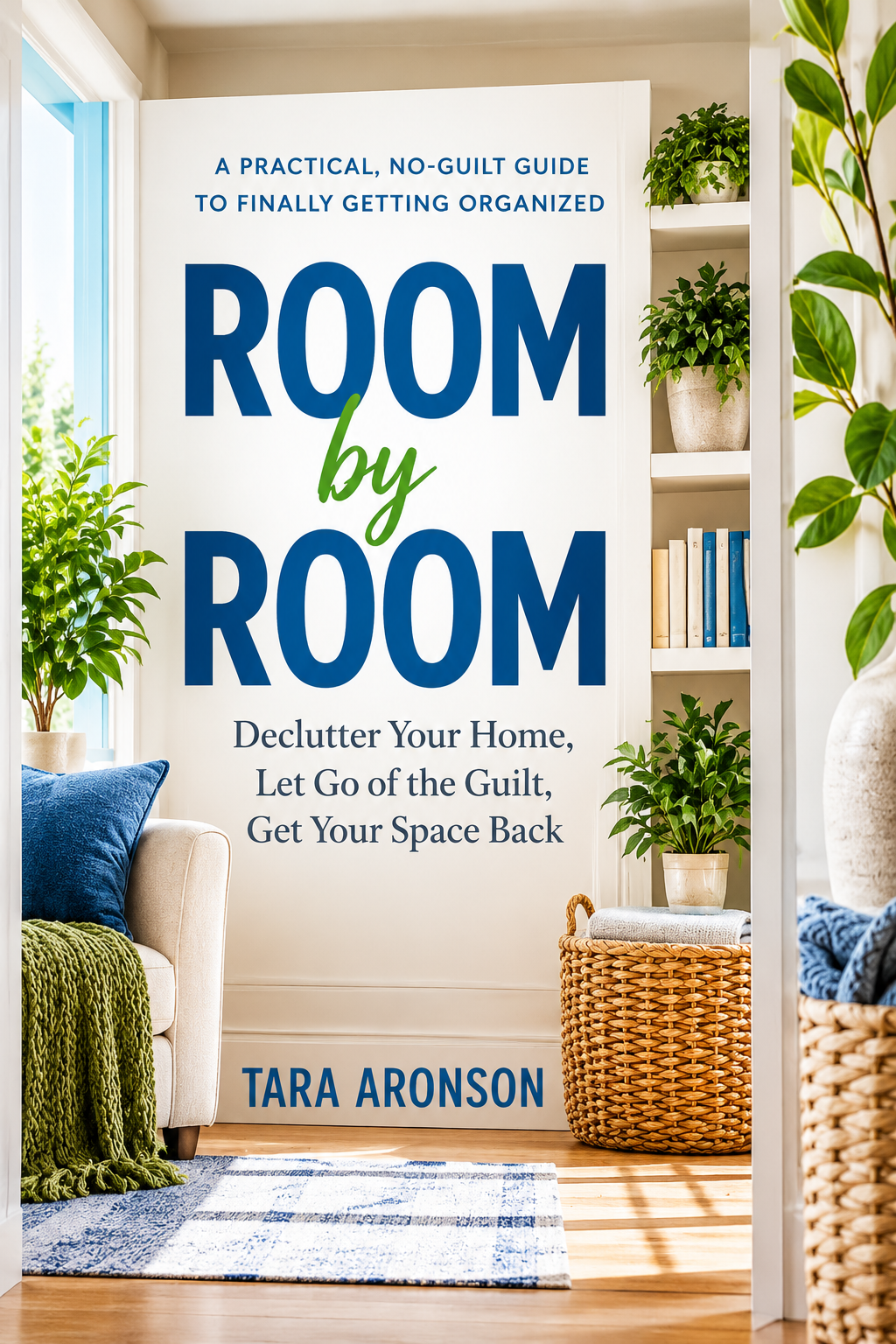
If your real problem isn't organizing but simply too much stuff, my book Room by Room: How to Declutter a Lifetime of Stuff and Get Your Space Back walks you through every room in the house. No guilt, and no dumpster required.
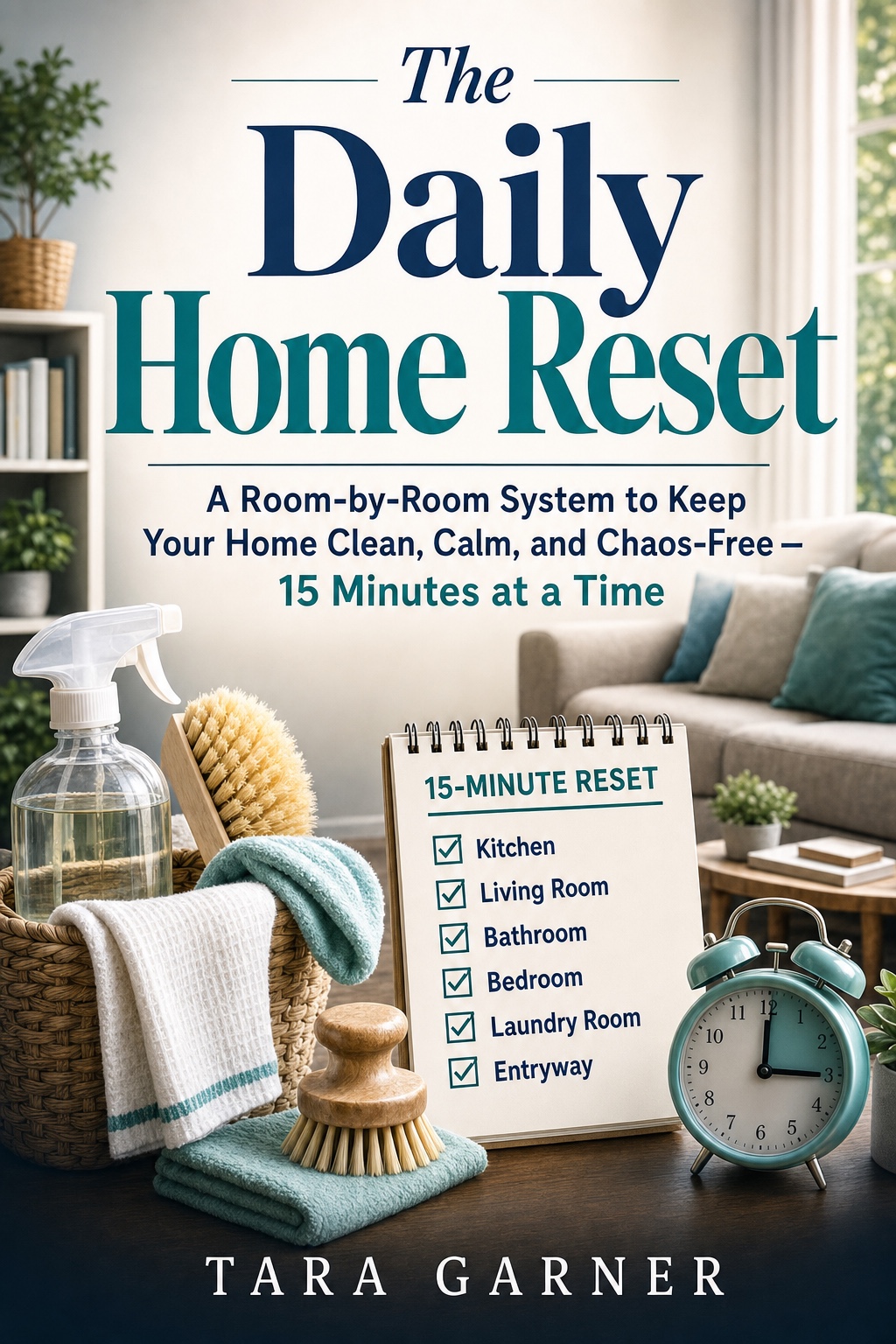
Kindle $12.99 · Paperback $14.99 · Hardcover $17.99Then keep it that way with The Daily Home Reset, a 15-minute daily routine that stops the clutter from creeping back.
Keep Going
Now that you have a plan, keep your whole home clean, organized and running smoothly with these related guides:
• How to Clean and Organize Your Kitchen: Counters, cabinets, the pantry and a 15-minute daily reset.
• Bathroom Cleaning and Organizing: Get the bathroom clean and keep it that way.
• How to Clean, Declutter and Organize Your Garage: Get the garage under control and make room for the car.
• Easy House Cleaning Tips: Faster, smarter ways to clean every room in the house.
• Laundry & Stain Removal Guide: Wash clothes the right way and get stains out on the first try.
• Simplify Family Life at Home: Chores, routines and kid-friendly systems that make every day easier.
• Home Maintenance: Month-by-month upkeep that keeps small problems small.
• Easy Home Decorating Tips: Make your newly organized home look as good as it works.
- Clean Home
- Organize Your Home